





Introduction
Many business owners face a frustrating challenge: growth has slowed or even stalled. They work hard, yet feel stuck, unsure of why their efforts aren’t paying off. This can create confusion, making them feel pulled in multiple directions without clear guidance.
Often, these businesses push for more tactics, thinking that doubling down on marketing and sales will drive results. However, this approach can backfire as it tends to overlook the core issues. Once a business matures, it needs more than just tactics; it requires a focused direction and simple systems that ensure steady growth.
Understanding that customers are not just numbers, but individuals with emotional needs is vital. People are drawn to businesses that make them feel comfortable, and that’s where the power of nostalgia marketing psychology comes into play. It helps bridge the gap between what a brand offers and the emotional connections customers seek.
Recognizing these principles can help business owners break through their current ceilings. By connecting with customers on a deeper level, they can foster loyalty and revitalize their growth. In the following sections, the article will explore how nostalgia can be a key player in establishing a clearer path toward meaningful engagement and sustained expansion.
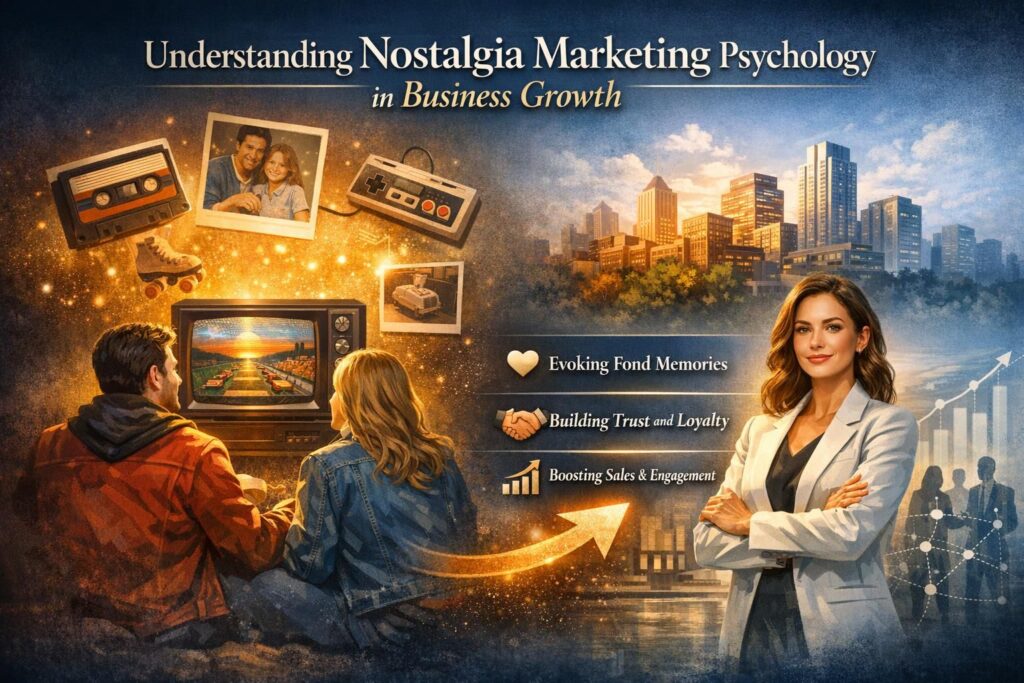
Understanding Nostalgia Marketing Psychology in Business Growth
Nostalgia marketing taps into feelings of the past that people cherish. It connects emotions with memories, which can make customers more likely to trust a brand. When a business uses elements from the past, it can create a sense of comfort and familiarity. This emotional bond drives customers to make purchases.
When people feel drawn to familiar things, they are often more willing to spend money. Nostalgia can trigger positive memories associated with brands or products. This makes customers feel good, encouraging them to buy. For business owners, this means that understanding nostalgia is key to sparking interest and boosting sales.
It is important to recognize how memories affect the way customers view a brand. A strong connection to the past can lead to lasting loyalty. Customers who relate to a brand on an emotional level are more likely to share their positive experiences with others. This word-of-mouth can bring in new customers and aid in growth.
In the fast-paced world of business, many owners struggle with reaching their market effectively. They may miss how nostalgia plays into their marketing. By understanding the psychology behind nostalgia, they can find new ways to connect with their audience and revive a sense of stability and growth in their business.

Why “Feeling Safe” Triggers Sales: The Neuroscience Behind Nostalgia
When people encounter something familiar from their past, it triggers a sense of safety. This feeling comes from how the brain works. The brain releases chemicals that make us feel good, which encourages people to make purchases. This reaction is rooted in nostalgia marketing psychology.
Nostalgia taps into memories that are positive and reassuring. When customers remember their happy moments, they are more likely to trust a brand that reminds them of those times. This trust leads to quicker buying decisions.
Studies show that when faced with choices, buyers often rely on their emotions. If a product or brand connection feels familiar and comforting, it stands out among competitors. Feeling safe allows consumers to focus on what they want instead of worrying about the risks of trying something new.
Offering experiences or messages that evoke these feelings of safety can lead to higher sales. Brands that understand this can create effective marketing that encourages people to buy. They recognize that nostalgia is not just about old things; it’s a way to make customers feel at home. By connecting emotionally, businesses can inspire confidence and loyalty, making customers feel good about their decisions.

The Role of Identity in Nostalgia Marketing Psychology
Nostalgia plays a big role in how people see themselves and their choices. When businesses tap into shared memories, they can connect with customers on a personal level. This connection helps customers feel understood and valued, which can lead to brand loyalty.
For example, a brand that uses images or themes from a customer’s childhood can remind them of comforting times. This makes customers more likely to choose that brand over others. If a business aligns its messaging with what customers identify with, it reinforces their sense of self. This is not just about products; it’s about belonging and community.
Everyday decisions, like the tones in ads or the stories shared on social media, should match what customers value. When brands ignore this link, they risk losing potential customers. A simple change in messaging can shift how someone feels about a brand. Recognizing these patterns helps businesses unlock growth.
When brands are aware of their customers’ identities, they can craft messages that resonate deeply. This approach nurtures loyalty and can turn customers into advocates. By focusing on emotional connections tied to identity, businesses can enhance their marketing strategies and create lasting relationships with their audience. This is essential for steady growth in today’s competitive market.

Signs Your Brand Might Be Missing Emotional Resonance
Many businesses struggle because they fail to connect with customers on an emotional level. Owners often get caught up in numbers and strategies, overlooking feelings that drive purchases. If customers do not feel a bond with a brand, they are less likely to buy or stay loyal.
A business can check for signs of this disconnect. For example, if marketing messages feel generic or lack a relatable story, potential customers may not feel drawn to the brand. If sales decrease or customer feedback is indifferent, it may indicate a lack of emotional connection.
Another warning sign is if audience engagement is low. Social media posts that fail to evoke responses or customer reviews that show indifference suggest that the brand isn’t resonating emotionally. Also, if the brand’s history or values don’t align with the customers’ experiences, it’s hard to establish loyalty.
Finally, if feedback reveals that customers don’t find the brand relatable or familiar, it’s time to rethink the messaging. By focusing on emotions and stories that connect customers to the brand, businesses can break through stagnation. Recognizing these signs early helps in reshaping the approach to create a deeper emotional connection with the audience. This connection can ultimately lead to greater sales and customer loyalty over time.

Aligning Sales and Marketing Through Shared Nostalgic Themes
When a business uses nostalgia marketing, it offers something familiar to customers. This approach can build trust and connection. To make the most of this, sales and marketing teams must work together. They need to share ideas and themes that spark feelings of nostalgia.
This coordination helps create a consistent message. For example, a marketing campaign might use images or slogans from the past that customers remember fondly. If sales representatives reflect this same nostalgia in conversations, it enhances the entire customer experience.
By aligning their efforts, both teams can boost customer engagement. They can tap into shared memories and emotions that resonate with their audience. This approach not only captures attention but also encourages customers to take action.
It’s essential to hold regular meetings between sales and marketing. Discussing nostalgic themes and how they are used can keep both teams on the same page. When everyone understands the message and shares a common goal, it becomes easier to drive growth.
Recognizing and using nostalgic themes creates a stronger bond with customers. That bond can lead to increased loyalty and sales. When both departments are aligned, everyone wins, and the business can see clearer growth patterns.

Building Scalable Campaigns Around Nostalgia Without Getting Stuck in the Past
Nostalgia marketing can help businesses grow, but it’s important to do it right. Reflecting on the past can bring back good feelings. However, relying too much on old memories can lead a brand to feel outdated. Knowing how to balance nostalgia with fresh ideas is key.
Creating scalable campaigns means setting up a system that uses nostalgia effectively. It’s about finding memories that connect with customers today. Business owners should focus on how these emotions can attract new customers while keeping current ones engaged.
Everyday decisions about marketing messages matter. For instance, if a brand only tells stories from years ago, it risks losing touch with younger audiences. Instead, mixing old and new insights can keep the brand relevant.
It’s essential to listen to feedback from customers. They can provide clues about what resonates emotionally and what feels stale. Making small adjustments can lead to significant growth.
Combining nostalgia with modern values can create powerful campaigns. It’s about showcasing how past experiences lead to present-day choices. A brand can connect with customers’ hearts while still moving forward in business. Balancing nostalgia with innovation allows a business to keep its story alive and relevant.

Conclusion
In conclusion, business growth can become difficult without a clear direction. Owners often find themselves overwhelmed, pushing harder in hopes of achieving results. However, when they embrace nostalgia marketing psychology, they discover a new way to connect with customers. This technique helps tap into shared memories, creating emotional bonds that encourage loyalty and trust.
The article highlighted that feelings of safety and familiarity drive buying decisions. Recognizing and utilizing nostalgia strengthens the relationships between brands and consumers. It reminds business owners to focus on customers as individuals with emotional needs, not just numbers.
Simple systems and clear thinking are crucial for growth. Businesses should aim to align their sales and marketing efforts around the themes of nostalgia. This creates a consistent message that resonates with their audience and enhances loyalty.
Finally, while nostalgia can be a powerful tool, it must be balanced with fresh ideas. Listening to customer feedback and adapting messages ensures relevance. By embracing both past and present, businesses can navigate their growth path more easily. Understanding these elements helps owners move forward with a sharper, calmer vision of what their growth can be.