






Introduction
Many business owners face a frustrating reality: their growth has stalled. They may feel busy, yet progress seems elusive. It’s common to struggle with attracting new customers or meeting sales targets. Often, these challenges stem from unclear marketing strategies that don’t resonate with their target audience.
In the competitive landscape of real estate, focusing solely on tactics can lead to confusion and missed opportunities. Business owners can find themselves overwhelmed, trying too many approaches at once. This scattered focus can drown out the direction needed for steady growth.
To truly succeed, businesses must prioritize clarity and create simple systems. Clear objectives guide marketing efforts and ensure messages are consistent. Systems provide a reliable framework, allowing companies to streamline their efforts and connect effectively with potential investors.
By understanding how to address the specific needs of investors, real estate businesses can foster trust and build lasting relationships. This article explores the key aspects of investor-focused marketing and offers practical insights on overcoming growth stagnation. Readers will learn how to create aligned strategies, develop strong systems, and clarify objectives to drive their business forward.
And stay with me until the end, because I’m going to give you a free resource called The Trust Signal Implementation Framework that can help you build more confidence into your marketing and make your business far more attractive to serious investors.
Understanding Investor Focused Real Estate Marketing
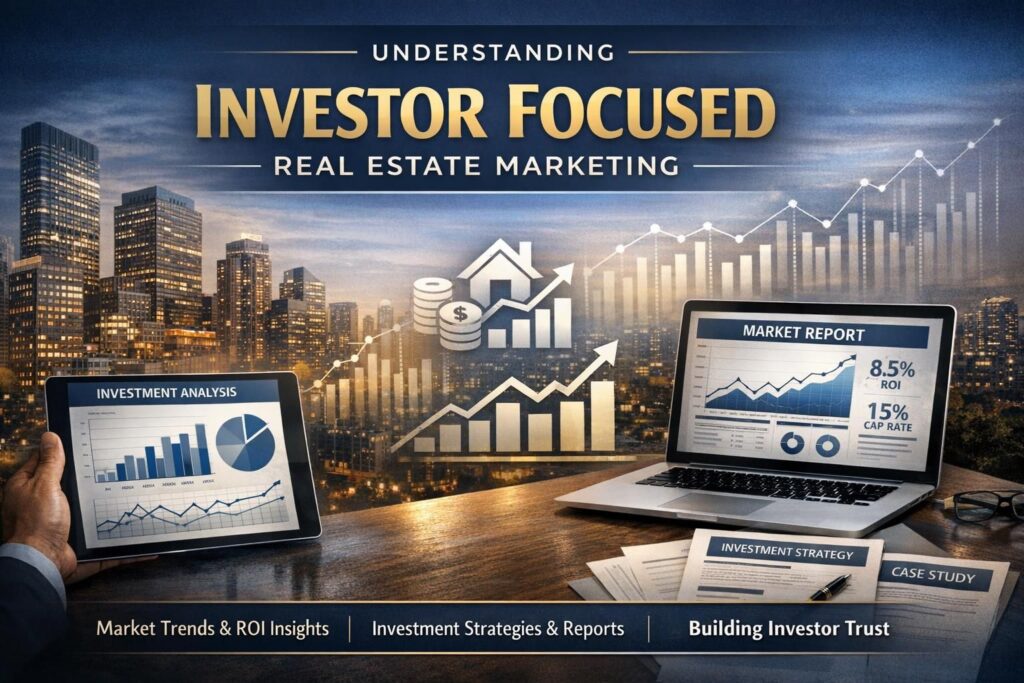
Real estate marketing needs to connect with the right audience. Understanding investor-focused marketing is key to achieving this goal. Investors have unique needs and expectations that differ from everyday buyers. They look for specific information to make solid financial choices. This includes data on potential returns, market trends, and property performance.
Tailoring marketing strategies to meet these investor needs is essential. It means using precise language and presenting clear data. When marketing speaks directly to investors, it builds trust. This trust leads to stronger relationships, which are valuable in real estate. Investors must feel confident in what is being presented before making decisions.
Successful investor-focused marketing goes beyond just listings. It involves creating content that educates and informs. This could be in the form of market reports, investment guides, and case studies. The goal is to show investors that their interests are understood and prioritized. When investors feel heard, they respond positively. They are more likely to engage and take action.
By understanding the core principles of investor-focused real estate marketing, business owners can better attract and serve their clients. It allows for a more effective approach that aligns with investor needs and drives growth.
Identifying Growth Stagnation in Real Estate Ventures
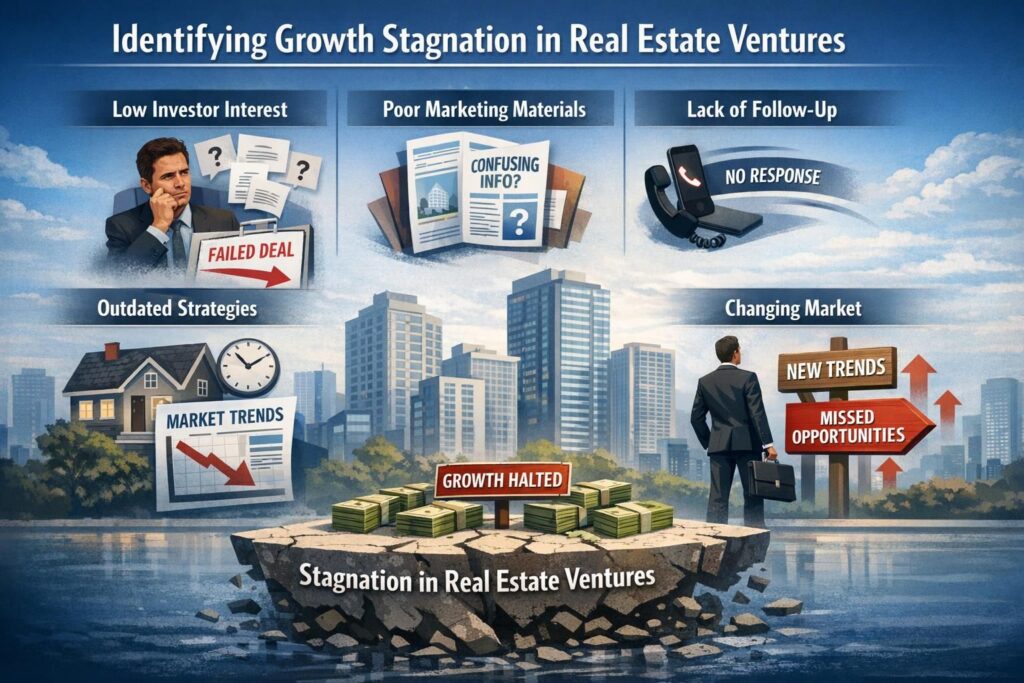
Stagnation in real estate can show up in different ways. A business might struggle to attract new investors or see sale numbers that don’t match expectations. Often, these issues stem from marketing missteps. If marketing efforts do not address what investors want, it can lead to missed opportunities.
For instance, if marketing materials lack clear information, it may confuse potential investors. They might not understand the benefits of a property or feel uncertain about the investment. This can lead to hesitation, causing potential deals to fall through.
Another sign of stagnation is failing to follow up with leads. Many businesses invest time and money into finding new contacts, but if they neglect to nurture those relationships, interest can fade. Regular communication builds trust and keeps investors engaged.
Moreover, stagnant growth can also come from not adjusting to market changes. Real estate trends shift frequently. If marketing stays the same while the market evolves, it can alienate investors who need current and relevant information.
By identifying these symptoms, business owners can take action. Understanding what holds back growth is crucial. It allows the right changes to be made in marketing strategies. This can help businesses connect better with investors and open doors to new opportunities.

Aligning Sales and Marketing for Investor Appeal
Sales and marketing must work together to attract investors. When these two areas align, it creates a strong message that resonates with potential investors. Clear communication between sales and marketing helps ensure that both teams understand investor needs. This understanding builds trust and confidence.
Inconsistent messages can confuse investors. For example, if a marketing campaign highlights high returns but the sales team mentions different numbers, investors may feel unsure. This lack of clarity can stop them from making decisions.
Daily habits play a big role in this alignment. Regular meetings between sales and marketing teams can help keep everyone on the same page. Sharing feedback on campaigns and sales interactions brings valuable insights.
Another important habit is to review marketing materials frequently. Everything, from brochures to websites, should reflect the same messages. When marketing speaks directly to investor goals, it creates a stronger connection.
Focusing on investors means understanding their concerns. This insight allows teams to tailor their approach, showcasing benefits that matter most to investors. For instance, being clear about the security of investments or potential returns can spark interest and action.
By prioritizing alignment, businesses can create a powerful investor experience. When investors feel understood and informed, they’re more likely to invest. Effective sales and marketing strategies lead to better outcomes for everyone involved.
Developing Strategic Systems in Real Estate Marketing
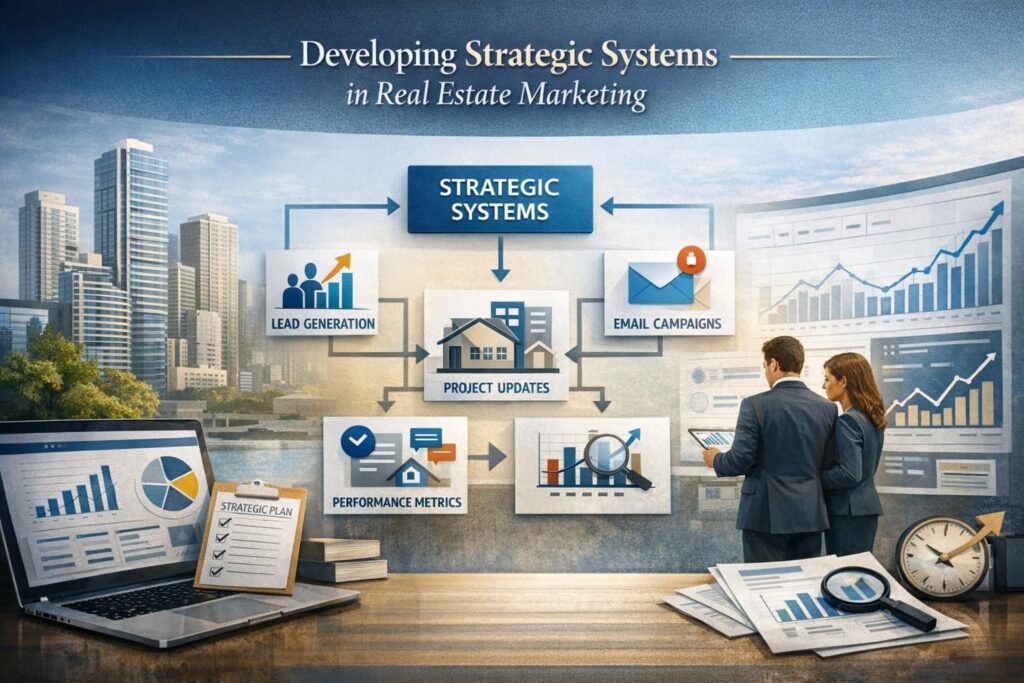
In real estate marketing, having strong systems in place is essential. These systems help businesses create a consistent approach to reaching investors. Each marketing decision should connect to a clear process. This way, every effort builds on the last, leading to better results.
Investors appreciate reliability. When a real estate company has a strategic framework, it shows commitment and professionalism. This can increase investor trust. For example, regular updates about projects or market trends can keep investors engaged. A reliable schedule for these communications can be part of a marketing system.
Moreover, using metrics to track marketing success helps identify what works and what doesn’t. Regularly reviewing data allows for adjustments in strategy, enhancing overall effectiveness. This type of analysis enables businesses to focus on what captures investor interest best.
Another important aspect is the integration of tools. Using platforms for social media, emails, and websites in a coordinated way streamlines messaging. This ensures that all marketing efforts speak the same language, making it easier for investors to understand the offer.
Overall, strategic systems turn marketing from a series of random activities into a focused plan. This change supports better engagement with investors, guiding them toward confident investment choices. Investing time in developing these systems pays off through steady growth and investor satisfaction.
Clarifying Objectives for Scaling Real Estate Investments
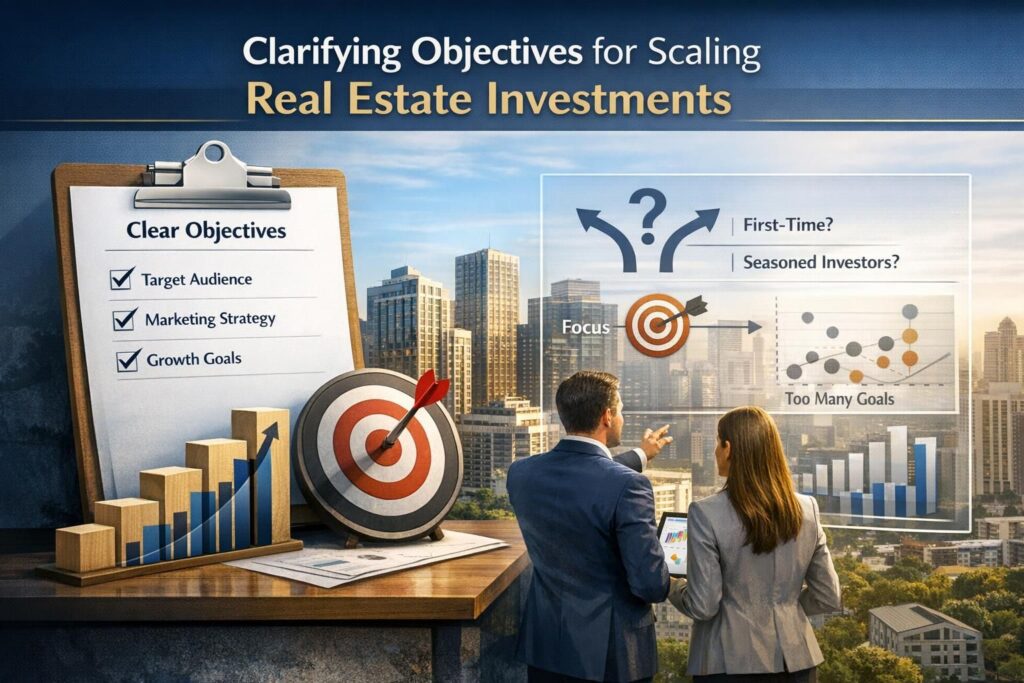
Setting clear marketing objectives is vital for growing real estate investments. Without defined goals, it is easy for business owners to feel lost. Clear objectives provide direction and help focus efforts on what truly matters.
When marketing efforts lack clarity, they can lead to confusion and mixed messages. This often results in missed opportunities. For example, if a marketing team is unsure whether to target first-time investors or seasoned ones, their campaigns may not resonate with either group. This confusion dilutes the effectiveness of their efforts.
Another common pitfall is having too many goals at once. When business owners spread themselves thin by trying to tackle various objectives, progress becomes slow. It’s crucial to identify one or two main goals and align marketing efforts around them. This clarity helps in making better decisions and measuring success.
Additionally, aligning marketing objectives with overall business goals is important. If the goal is to attract investment for high-end properties, the marketing message should reflect that. Having a focused strategy ensures that every decision, from content creation to advertising, reinforces the same purpose.
By establishing clear marketing objectives, real estate investors can create a strong foundation for growth. Consistent messaging helps build trust and confidence among potential investors, paving the way for a successful scaling process.

Reframing Growth through Investor-Centric Narratives
Investor-centric narratives play a crucial role in shaping a business’s growth. By focusing on what investors truly care about, businesses can create messages that resonate with their audience. This means understanding investor needs, values, and pain points. When a business tailors its communication to address these elements, it builds trust and confidence.
Everyday decisions about how to present the business can either help or hurt growth. For example, if marketing messages focus solely on features without highlighting benefits for the investor, it may lead to confusion. Similarly, not addressing common investor concerns can result in hesitation and missed opportunities.
Adopting a clear narrative helps in framing the value of an investment. This involves telling a story that connects the business goals with the investors’ goals. When businesses share success stories, case studies, or testimonials, they make their offerings more relatable and appealing. It shows potential investors that others have found success, paving the way for new opportunities.
Changing the narrative from a company-focused approach to an investor-centric one can transform growth trajectories. It allows businesses to communicate more effectively and connect with their audience. This shift is essential in reducing investor hesitation and driving more robust engagement.

Conclusion
In summary, understanding investor-focused real estate marketing is crucial for overcoming growth stagnation. When businesses lack clear direction, progress slows. Investors have unique needs, and failing to address them can lead to missed opportunities. This article has explored the importance of aligning marketing and sales, creating strategic systems, and clarifying objectives.
Each of these ideas emphasizes the need for simplicity in approach. By focusing on what truly matters—investor interests and clear communication—businesses can manage their marketing efforts more effectively. Simple systems create consistent messages, helping to build trust with potential investors. When investors feel understood, they are more likely to engage and act.
Furthermore, reframing narratives to center around investors helps businesses connect on a deeper level. This shift in focus leads to stronger relationships and better outcomes. By keeping the needs of investors at the forefront, businesses can steer their growth in a positive direction. As a result, they can turn challenges into opportunities and pave the way for sustainable success in the competitive real estate market.
And as promised, I’ve got a free gift for you at the end. It’s called The Trust Signal Implementation Framework, and it’s designed to help you strengthen the signals your business sends so investors feel more confidence, more clarity, and more trust every step of the way. It comes directly from my asset list, and it is a great fit for this topic because strong investor marketing is really about trust made visible.
Download The Trust Signal Implementation Framework