





Introduction
Many business owners notice their growth slowing down or becoming unpredictable. They may feel busy, yet find themselves going in circles without real progress. This can be frustrating and confusing. Some owners sense that something isn’t right, but they can’t pinpoint the issue. Others want to grow but feel pulled in multiple directions, struggling to focus.
A common factor in these situations is a lack of clear direction. Once a business moves past its early growth stage, relying on more tactics and strategies often leads to disappointment. Instead of moving forward, it can feel overwhelming and chaotic. To overcome these challenges, business owners need simple systems and consistent strategies.
Understanding discount perception psychology is one crucial area to explore. Discounts can influence how customers see the value of products, often triggering emotional reactions rather than logical thought. A well-timed discount can create excitement, but relying solely on this tactic can lead to problems. Customers may wait for sales, losing sight of the real value of what they’re buying.
This article will dive deeper into how businesses can harness discount perception psychology, create effective pricing strategies, and ultimately support sustainable growth. By focusing on clear messaging and thoughtful systems, owners can regain control and confidence in their growth journey.
Understanding Discount Perception Psychology
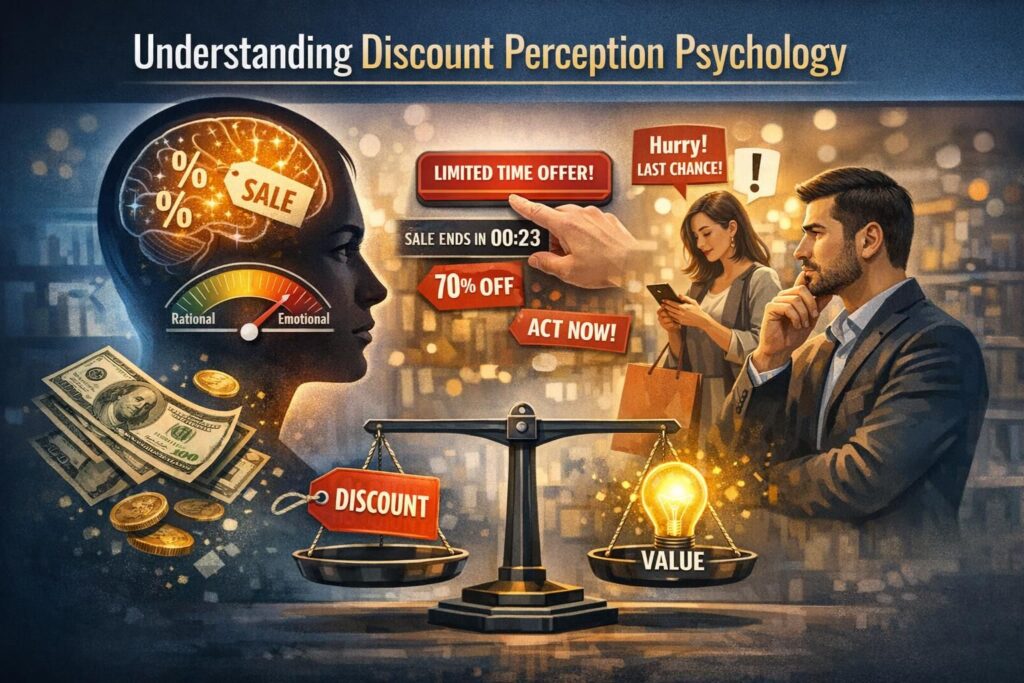
Discounts can change how consumers think about products. When a business offers a discount, it doesn’t just lower the price; it triggers emotions. People may feel excited or hopeful when they see a deal. This emotional reaction often outweighs logical reasoning. For example, a customer might believe they are saving money, even if the item was priced higher before.
Understanding this psychology can help business owners see why some discounts succeed while others fail. Many times, shoppers don’t evaluate the true value of what they are buying. Instead, they react to feelings triggered by the discount.
Discounts can create a sense of urgency and a fear of missing out. When customers think a deal is rare, they may act quickly.
However, relying solely on discounts can be dangerous. It might lead to customers only buying when prices drop, which can hurt profits in the long run. Smart businesses combine discounts with a clear value message to create a balanced approach.
By grasping the psychology behind discounts, business owners can better navigate their pricing strategies. Recognizing how customers perceive discounts is key to making informed decisions that foster growth and stability.
The Emotional Response to Discounts
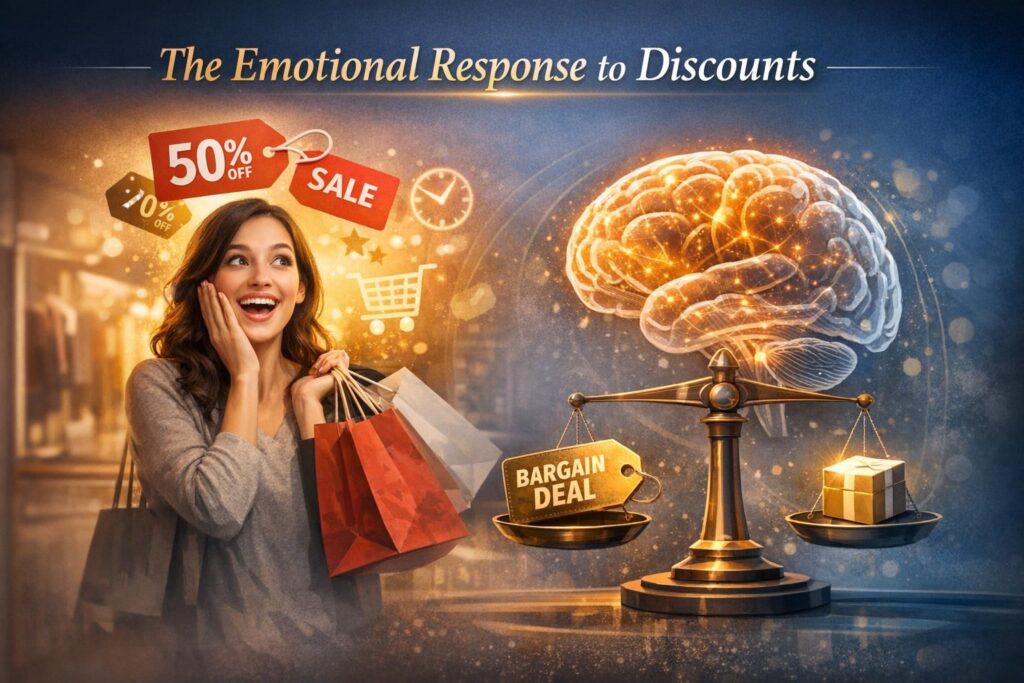
When a consumer sees a discount, their brain reacts on an emotional level. This emotional response often outweighs logical thinking. Discounts create excitement and a sense of urgency. Customers may feel they are saving money, which can lead to impulsive purchases. This thrill connects them to the deal, making them more likely to buy.
However, this emotional reaction can shift how customers view a product’s value. If a product is on sale, it may seem more appealing. People often think, “I’m getting a great deal!” But this may not reflect the product’s true worth. They focus on the discount rather than the quality or need for the product.
Understanding this emotional pull is important for business owners. Pricing strategies that focus solely on discounts can cloud judgment about value. Instead, businesses should think about how to make customers feel good about their purchases. Recognizing the emotional component of discounts can help in crafting better sales strategies. By appealing to emotions, companies can increase sales while also fostering long-term loyalty. When businesses get the emotional aspect right, they can create a stronger connection with customers, leading to sustained growth.
Anchoring Effect in Discounts
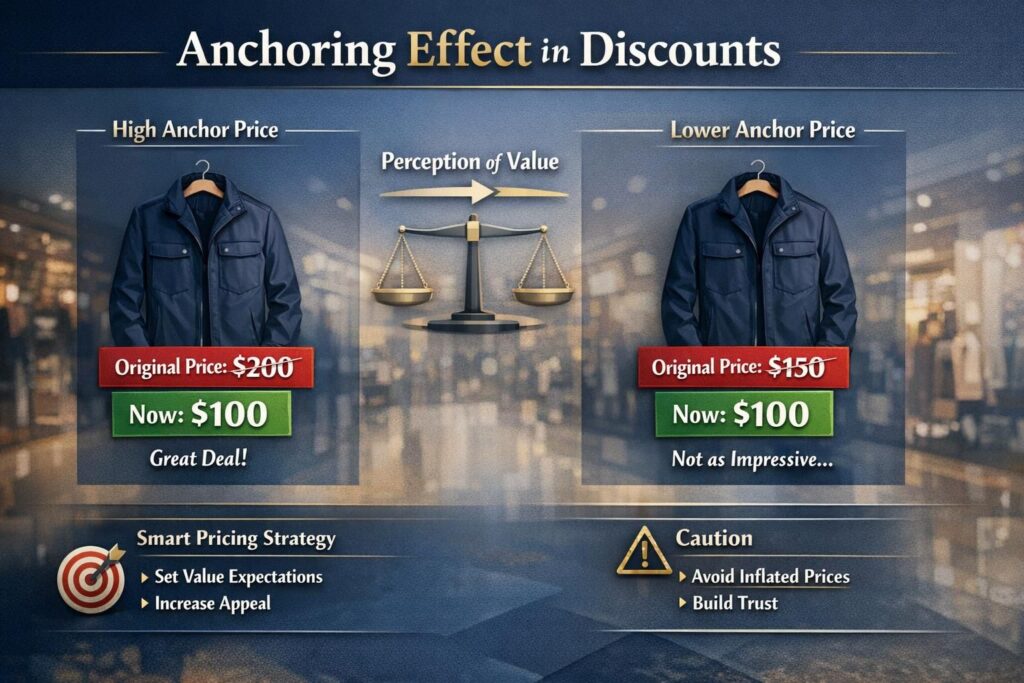
The anchoring effect is a mental shortcut that impacts how people see prices. When consumers see an original price first, it sets a mental reference point. This number can make a sale price look much better or worse, depending on the original price. For example, if a jacket costs $200 and is marked down to $100, the lower price seems like a great deal. But if the same jacket was originally priced at $150, the discount does not feel as significant.
This effect is key in marketing because it shapes how customers feel about value. When business owners set their pricing, they should consider how the original price will set expectations. A higher starting price can make discounts seem more appealing. Also, keeping the original price visible helps customers feel they are getting a good deal.
However, relying too heavily on the anchoring effect can backfire. If customers always see high original prices, they may become skeptical of discounts. They might suspect that prices are artificially inflated just to create a false sense of savings. Business owners should balance using anchoring with honesty in their pricing strategies. This way, customers can feel confident in their purchases, leading to stronger sales and loyalty.

Shifts in Perceived Value
Discounts can change how people see the value of a product. When a price drops, customers may believe they are getting a better deal, even if the product is the same. This shift happens because the brain often connects lower prices with higher value. It can create an illusion that the product is worth more than it actually is.
When a seller offers a discount, it may trigger excitement in customers. They think they are being smart by grabbing a bargain. But this reaction can sometimes backfire. If customers always see discounts, they may start to believe that the full price is too high. This expectation can hurt sales when discounts are not available.
Business owners should be aware that frequent discounts can change what customers expect. If discounts become the norm, consumers may wait for sales instead of buying right away. This can create a cycle where businesses always have to offer discounts to drive sales.
Understanding how discounts impact perceived value helps businesses set better pricing strategies. It’s important to balance discounts with the true worth of products. If the value perception shifts too much, it can affect long-term growth. Adjusting how discounts are presented can help maintain a sense of value while still encouraging sales.
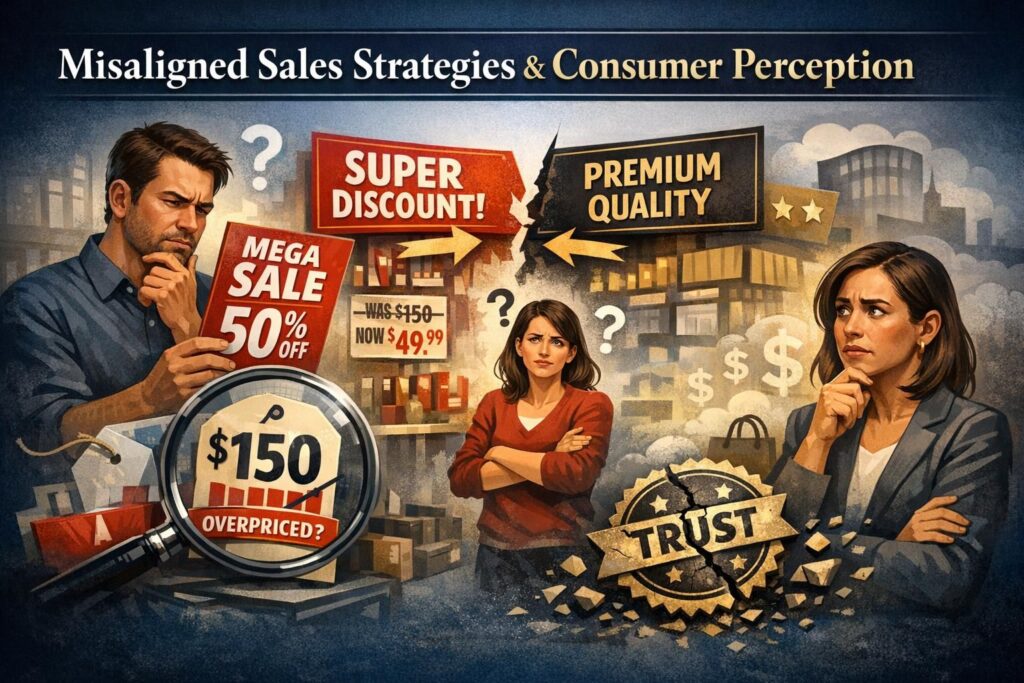
Misaligned Sales Strategies and Consumer Perception
Misaligned sales strategies can hurt a business. When sales tactics do not match what consumers expect, it can confuse or frustrate them. For example, if a store offers high discounts often, customers may start to question the actual value of the products. They may think the original prices were inflated, leading them to lose trust in the brand.
Inconsistent messaging can also lead customers to feel uncertain about a business. If the approach changes often, customers might not understand what the brand stands for. This gap can create doubt about the value of a product or the effectiveness of discounts. When customers do not feel secure in their choices, they are less likely to buy.
It’s important to remember that customers notice small details. If a business promotes a sale, but the original prices seem too high, it can lead to skepticism. Effective sales strategies should align with genuine value and clear communication. Consistency helps build trust, which is essential for growth.
By focusing on how sales tactics align with consumer perception, businesses can create a smoother experience. This way, customers feel confident that they are making a good choice. When customers trust a brand and see real value, they are more likely to buy, leading to better growth and success.
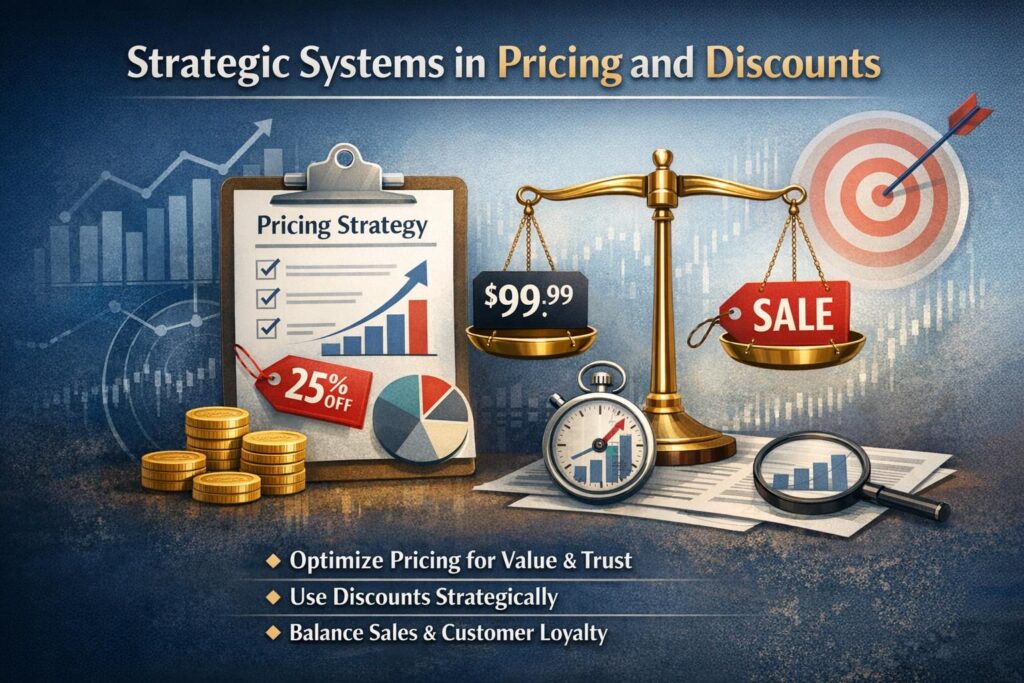
Strategic Systems in Pricing and Discounts
Strategic systems in pricing and discounts are essential for business growth. Consistent pricing strategies help in building consumer trust. When businesses know how to set prices and use discounts wisely, they create a better connection with their customers.
Everyday decisions about pricing impact how customers perceive value. For example, if discounts are given too frequently, customers may see the regular price as inflated. This can lead to confusion and distrust. On the other hand, a well-timed discount can attract buyers and drive sales without compromising perceived value.
Developing strategic systems means having clear guidelines for when and how to offer discounts. These systems help ensure that discounts motivate purchases, rather than confuse customers. Regular reviews of pricing strategies can reveal patterns and blind spots. This is essential for businesses wanting to grow.
By using a thoughtful approach to pricing, businesses can create a balance between attracting new customers and keeping their existing ones satisfied. It’s important to remember that the way discounts are managed reflects on the whole brand. A clear, strategic pricing system builds loyalty and supports long-term success. Businesses that prioritize these systems are more likely to see steady growth, as their customers trust their pricing strategies.

Conclusion
In summary, understanding discount perception psychology is crucial for managing business growth effectively. Many business owners face challenges when their growth slows or becomes unclear. This often happens because there is no clear direction in pricing and sales strategies. Without this clarity, businesses can easily overwhelm customers and lose their trust.
Simple systems that focus on clear messaging and genuine value can help business owners navigate these challenges. By recognizing how discounts affect consumer emotions, owners can craft sales strategies that resonate with their audience. It’s important to remember that while discounts can create excitement, overusing them can lead to customers only seeing value in lower prices.
Moreover, understanding the anchoring effect and shifts in perceived value can assist business owners in setting sustainable pricing strategies. Misaligned sales tactics can confuse customers, undermining their trust and the true value of products. A strategic approach to pricing and discounts, grounded in honesty and consistency, can foster loyalty and encourage growth.
Ultimately, thriving businesses combine clear thinking and thoughtful systems. This blend allows them to manage their growth effectively, keeping their customers engaged and confident in their purchasing decisions. By focusing on what truly matters, business owners can pave the way for steady and meaningful growth.