





Introduction
Many established business owners face a frustrating reality: growth has stalled, feels unpredictable, or hits a ceiling. They often find themselves busy but not moving forward. These signs can lead to confusion about what isn’t working and how to fix it. Some might even feel pulled in too many directions, making it hard to decide on the right actions to take.
In this challenging landscape, simply adding more tactics usually doesn’t lead to sustained growth. As businesses move past their early stages, clarity and direction become essential. It's not just about doing more; it’s about understanding what really matters. Implementing clear systems and focusing on strategic goals can help businesses find steady growth.
This article will delve into why having a strong direction is critical and how simple systems can drive results. By addressing these points, business owners can better understand the underlying issues holding them back. With insight into straightforward strategies, they can learn to navigate their path forward and foster effective growth.
Understanding Color Influence Psychology in Consumer Behavior
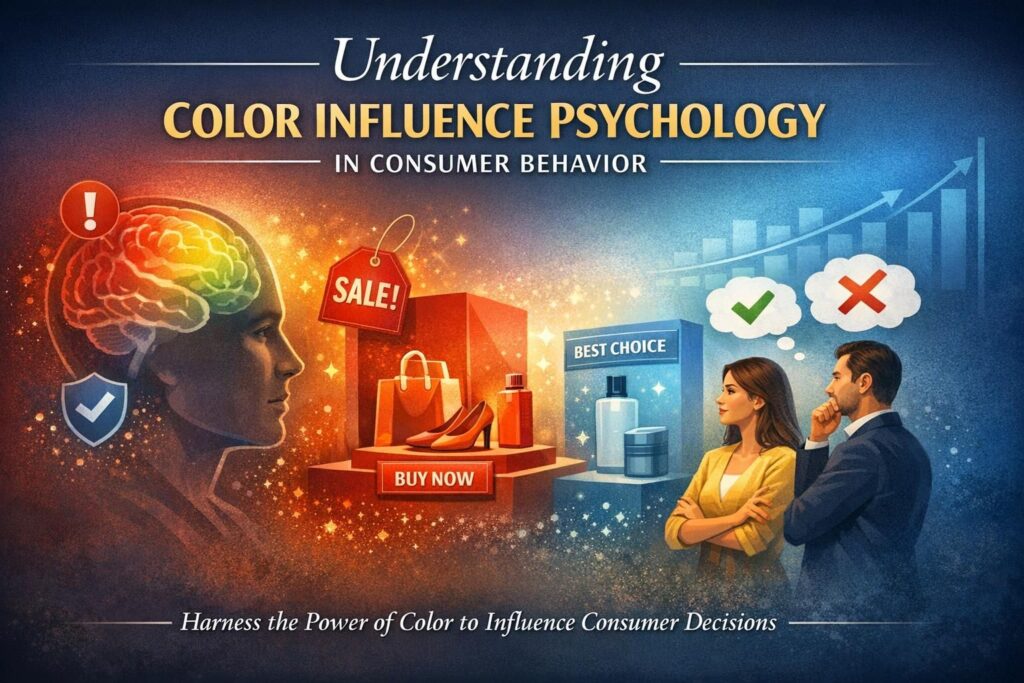
Color plays a key role in how consumers think and feel when making purchases. The way the brain reacts to different colors can influence choices without people even realizing it. For example, red may create a sense of urgency, while blue can build trust and calmness.
When a customer sees a product, the colors surrounding it can trigger emotional responses. These responses can affect decisions, making someone more likely to buy or step back. The right color can draw attention, while the wrong one may turn a buyer away.
Understanding this connection helps business owners see why colors matter in marketing. It’s not just about choosing a pretty shade; it’s about making sure the colors create the right feeling and message. This insight can guide businesses in selecting colors that match their brand and appeal to their target market.
When business owners align their color choices with their brand values, they set the stage for better customer engagement. Recognizing the impact of color can give businesses a clearer view of their marketing strategy. By tapping into color psychology, owners can enhance their approach and connect more meaningfully with consumers.
The Neuroscience Behind Color and Buying Triggers
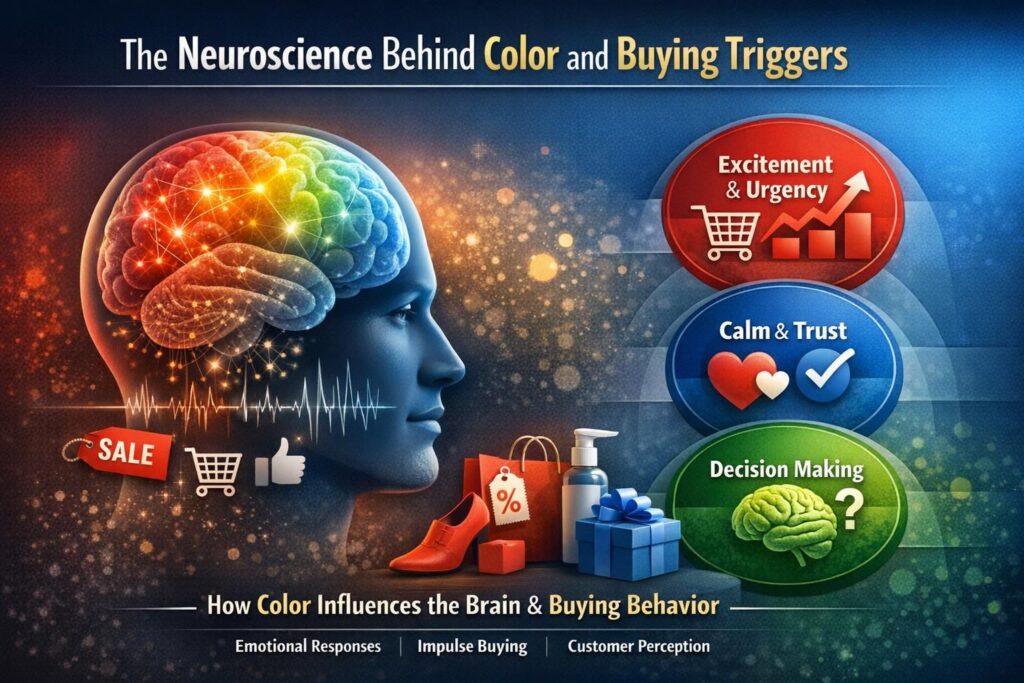
Color has a strong effect on how people feel and how they decide to buy. The brain processes color in very specific ways. Each color can stir different emotions, prompting quick reactions in buyers. For example, red can make people feel excited or urgent, while blue often creates a sense of calm and trust. Understanding these emotional responses is crucial for business owners looking to improve their sales.
When buyers see a color, their brain sends signals that can lead to a decision to buy or not. The right color can spark impulsive buying. This is important because it shows how color isn't just about looks; it's about feelings and choices. If a customer feels excited or safe because of a product's color, they are more likely to make a purchase.
Moreover, different colors hit different parts of the brain. This means that every color choice a business makes can influence how customers perceive products. Poor choices can even push potential buyers away. This understanding of color’s impact on buying behavior helps clarify why some marketing efforts succeed while others do not. By knowing how color works in the brain, business owners can make smarter choices to support growth.
How Color Influence Psychology Affects Price Perception
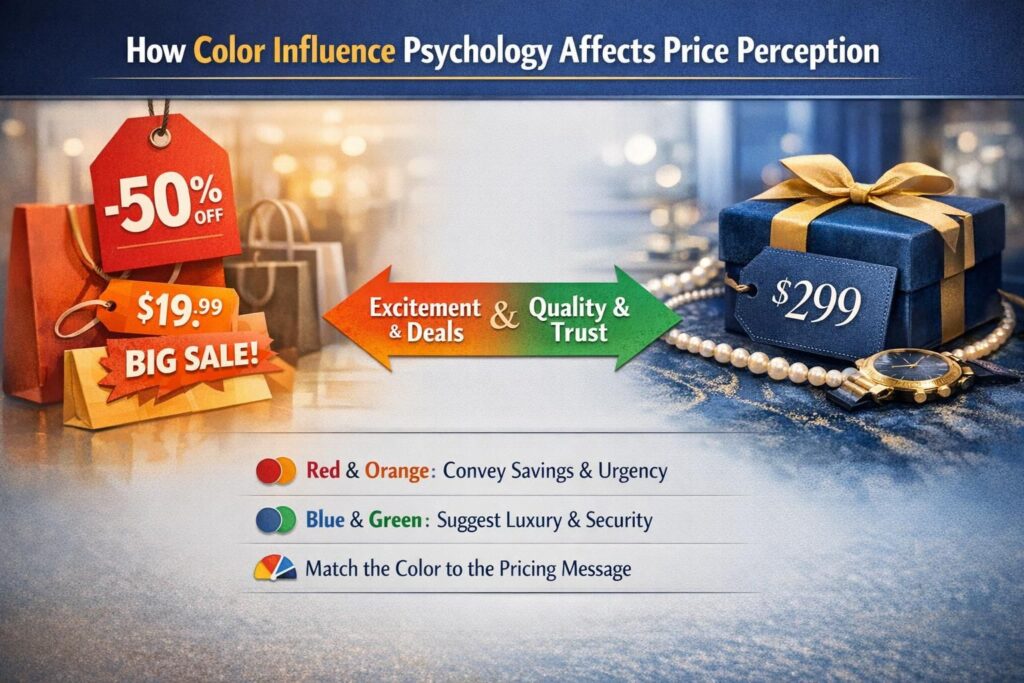
Colors can change how people see prices. For example, a bright red tag can make a discount seem bigger, while a deep blue may suggest quality and luxury. It's not just about the number on the tag; the color around it matters too. When customers see certain colors, their brains react in ways that can make them feel like they are getting good value or something special.
Different colors spark different feelings. A warm color like orange can create energy and excitement, which is perfect for sales. On the other hand, cool colors like green or blue can promote calm and trust, making people feel safe about spending money. If a company's color scheme doesn't match the type of price they want to present, it can confuse customers.
Also, people may perceive prices as more reasonable when they are displayed in familiar color contexts. A bright color may seem fun and approachable, while darker shades may imply seriousness. Businesses need to pay attention to these patterns. Understanding how color affects price perception helps owners set the right mood to influence decisions. This careful choice in colors can enhance how customers view prices and can lead to better sales outcomes.
Color, Branding, and Consumer Trust Signals
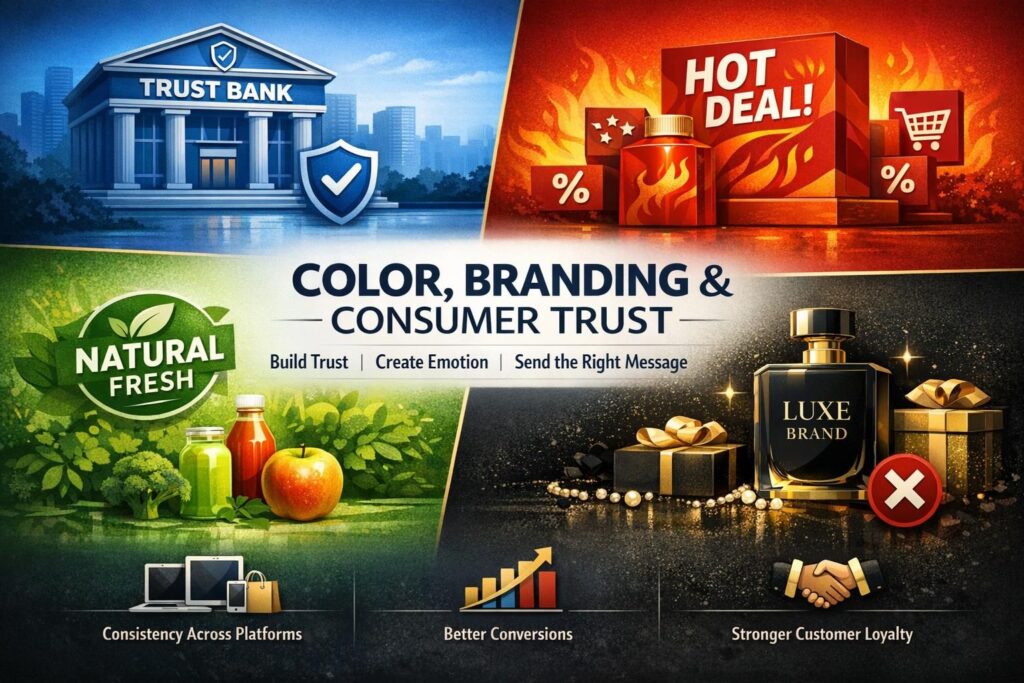
Colors play a big role in how customers view a brand. They create feelings and shape opinions. For example, blue can make people feel calm and trustworthy, while red often creates excitement. When business owners choose colors for their branding, they should think about what emotions they want to tap into.
Using the right colors can build trust. When customers feel they can trust a brand, they are more likely to buy. For instance, a green logo might make buyers think about health and freshness. This could be a smart choice for a food or wellness brand.
On the other hand, picking colors that don’t fit the brand’s message can confuse customers. If a luxury brand uses bright, playful colors, it might not seem upscale. This can hurt the brand's image and lead to lost sales.
Every day decisions about colors should align with the message a brand wants to send. This small aspect of marketing can greatly influence how buyers perceive a company. Understanding color choices helps business owners build a strong brand that customers trust. Consistency in color usage across all platforms—a website, packaging, and advertising—can strengthen this trust. Ultimately, the right colors can lead to better conversion rates and business growth.
When Color Psychology Backfires in Marketing and Sales
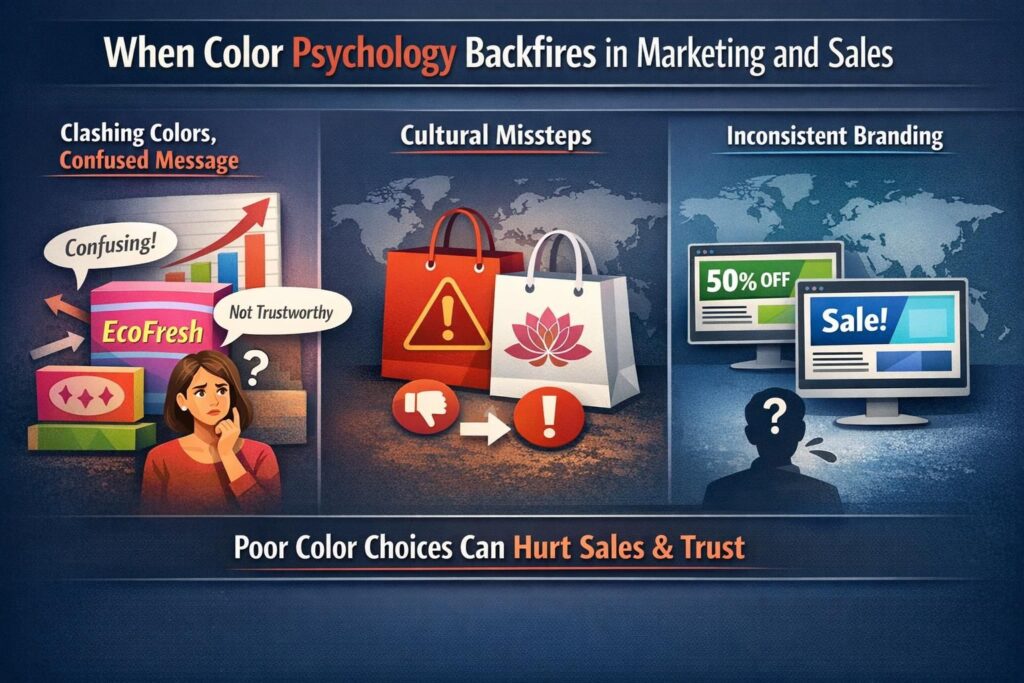
Using color in marketing can be tricky. The wrong color choice can confuse customers and hurt sales. For example, a brand may choose bright colors to stand out. However, if the colors clash with the brand message, customers may feel unsure about the product. This disconnect can lead to less trust and lower sales.
Additionally, cultural meanings of colors can differ. A color that works well in one market might offend or confuse in another. This misstep shows that it’s crucial to know the audience and their perceptions. Failing to do this can lead to misguided marketing efforts and stalled growth.
Every business owner should regularly take a step back to evaluate their color choices. Are the colors creating the right feelings for customers? Are they in line with the brand’s intent? Reflecting on these questions helps identify when color choices may not connect as expected with buyers.
Inconsistent use of colors across platforms can also cause issues. For example, if a company uses green in one ad and blue in another without a good reason, customers may feel lost. This inconsistency can weaken the brand and cause potential buyers to hesitate.
In short, color choices should reinforce marketing efforts, not confuse them. Understanding how colors affect buyer emotions is key to ensuring that the business remains on a clear path to growth.
Creating Strategy Alignment Through Color Influence Psychology
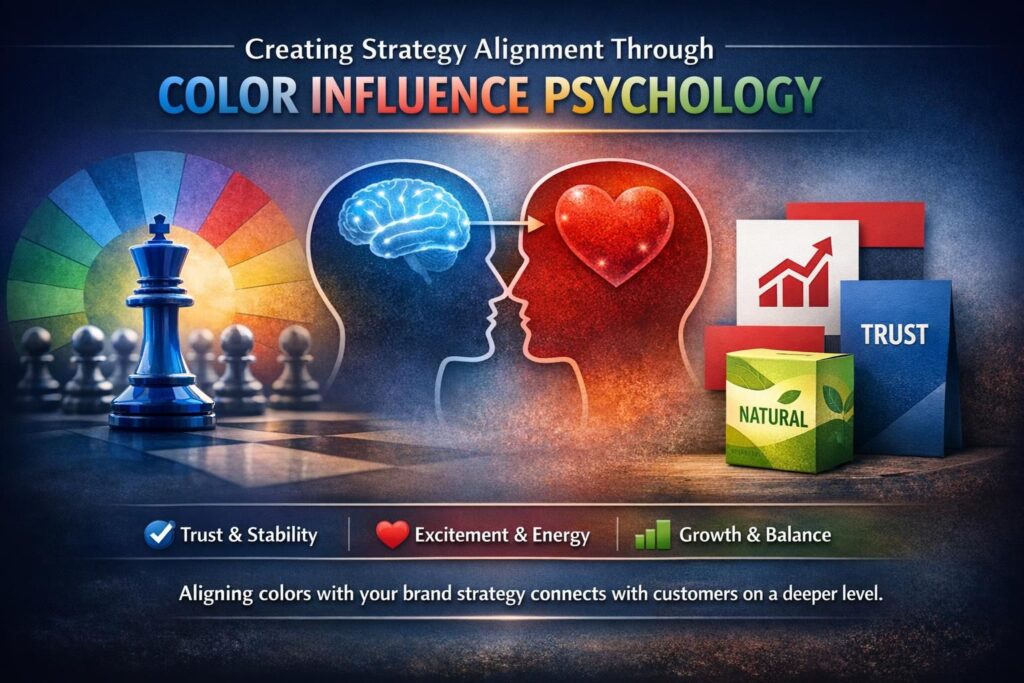
Color plays a significant role in how customers see a business. When used correctly, colors can strengthen a brand's message and connect with buyers on a deeper level. A clear strategy that incorporates color psychology helps align marketing efforts with customer expectations.
Every time a business makes a choice about colors—whether it's in logos, packaging, or advertising—it sends signals to potential customers. For instance, blue often conveys trust, while red can spark excitement. Understanding the emotions these colors evoke allows a business to create more effective marketing strategies.
Ignoring color meaning can lead to mixed messages. If a brand focuses on a serious image but uses bright, playful colors, it might confuse buyers. This confusion can stall growth because customers may not understand the brand's true purpose.
By aligning color choices with brand values and customer desires, businesses can enhance engagement. Thoughtfully chosen colors create a cohesive look that resonates with customers, making them feel connected to the brand. This connection can improve customer loyalty and lead to higher sales.
In summary, paying attention to color helps clarify a business's position in the market. A solid strategy that uses color wisely can turn a confusing message into a clear one, driving more customers to take action.
Conclusion
Understanding color influence psychology is essential for business growth. Throughout the article, various aspects of color's impact on consumer behavior have been explored. It is clear that when businesses lack a focused direction in their use of color, growth often stalls. Colors can evoke strong emotions that influence buying decisions and brand perception.
Simple systems that incorporate the right color choices create clarity. By aligning colors with brand values and consumer expectations, businesses can foster trust and enhance engagement. When color is used thoughtfully, it not only communicates the right messages but also opens pathways for better sales outcomes.
Too often, business owners overlook the significance of these decisions, leading to mixed messages that confuse customers. A consistent and clear approach to color can simplify marketing strategies, making it easier to manage growth. Recognizing the power of color and using it effectively can help businesses reshape their marketing efforts. As a result, this focused strategy can lead to sustained growth and better connections with consumers.