






Introduction
Many established business owners know the feeling of being busy but not making real progress. Growth may have slowed down, or it seems unpredictable. Signs like these can leave owners puzzled and frustrated. Though they want to move forward, they often find themselves pulled in too many directions.
One common mistake is relying on more tactics and strategies. What worked in the early stages may no longer be effective as a business grows. Without clear direction and simple systems, businesses can struggle to find their path forward. Owners may feel overwhelmed by options, unsure of what to focus on, and this can lead to missed opportunities.
The importance of having clear goals and a straightforward approach cannot be overstated. When businesses take time to identify their main objectives and design simple systems to support them, they pave the way for steady growth. This clarity helps to align everyday decisions with long-term plans, reducing confusion. By addressing these common challenges, owners can create a stronger foundation for their business. In the following sections, this article will explore how to regain control and momentum in business growth.

Understanding the Role of a Real Estate Buyer Psychology Consultant
A real estate buyer psychology consultant looks at how people make decisions to buy property. This role is about understanding why buyers might hesitate or feel unsure. Many potential buyers want to invest but face doubts that hold them back.
By studying the decision-making process, a consultant can find these hesitations. They explore factors like fear of market changes, uncertainty about listing prices, or personal emotional challenges tied to buying a home. Recognizing these issues is the first step toward addressing them.
The consultant’s job is to break down the reasons behind buyer behavior. They analyze patterns that might not be obvious at first glance. This insight can help property sellers and agents understand what buyers need to feel confident. When a consultant shines a light on these hidden obstacles, businesses can make better decisions.
Ultimately, the goal is to empower buyers to act without confusion or fear. This understanding is crucial in a market where so much depends on buyer confidence. By clarifying the mental roadblocks, a consultant helps both buyers and sellers navigate the complex world of real estate more smoothly.
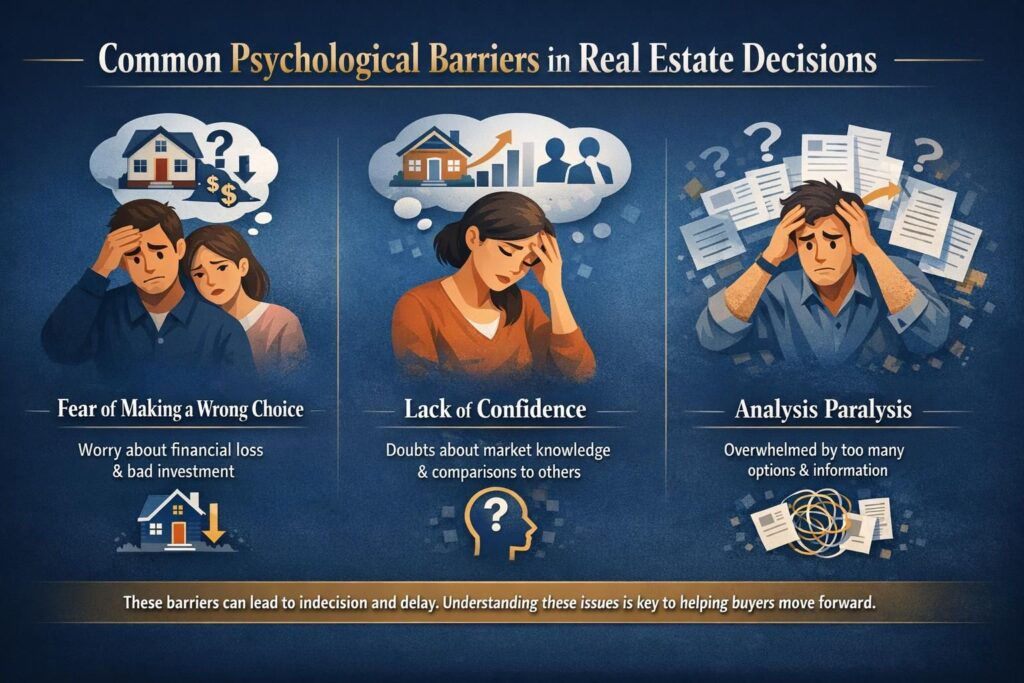
Common Psychological Barriers in Real Estate Decisions
Many potential buyers face mental hurdles that can slow down their decision-making in real estate. One common barrier is fear of making a wrong choice. This fear often stems from the significant financial investment involved. Buyers may worry about losing money or picking a property that does not meet their long-term needs.
Another barrier is a lack of confidence. Buyers might second-guess their knowledge of the market or feel overwhelmed by the complexity of the process. This uncertainty can lead to indecision, preventing them from moving forward. Buyers also tend to compare themselves to others, leading to feelings of inadequacy if they perceive that they are not financially or emotionally ready.
Additionally, some buyers struggle with analysis paralysis. With so many properties and options available, the amount of information can be overwhelming. This can create a sense of confusion about where to start.
These psychological barriers can keep potential buyers from pursuing their property goals. Recognizing these issues is crucial. By understanding what holds them back, real estate professionals can create a more supportive environment. This can help buyers feel more confident and willing to take the next steps in their property journey.

The Impact of Market Conditions on Buyer Psychology
Market conditions play a significant role in how buyers feel about making real estate decisions. When the market is booming, buyers tend to feel more confident. They are excited about the possibilities and may act quickly to secure properties. However, in a down market, fear and uncertainty can take over. Buyers might hesitate, worried about losing money or not making the right choice.
Understanding these feelings is crucial. When there are sudden changes, such as rising interest rates or economic downturns, buyers may second-guess their decisions. They might stop looking for properties or delay their purchase, impacting sales. This hesitation often stems from the fear of making a poor investment.
Buyers also react to trends. If they see properties appreciating in value, they might feel pressure to buy before prices rise further. Conversely, if the market gets flooded with listings and prices drop, they might worry about future value.
Real estate professionals must pay attention to these behaviors. Knowing how market conditions affect buyer psychology can help sellers tailor their approach. This can involve clearer communication, targeted marketing, and addressing buyer concerns directly. By recognizing the influence of market dynamics, businesses can align their strategies to support buyers through their decision-making process, leading to improved confidence and sales.
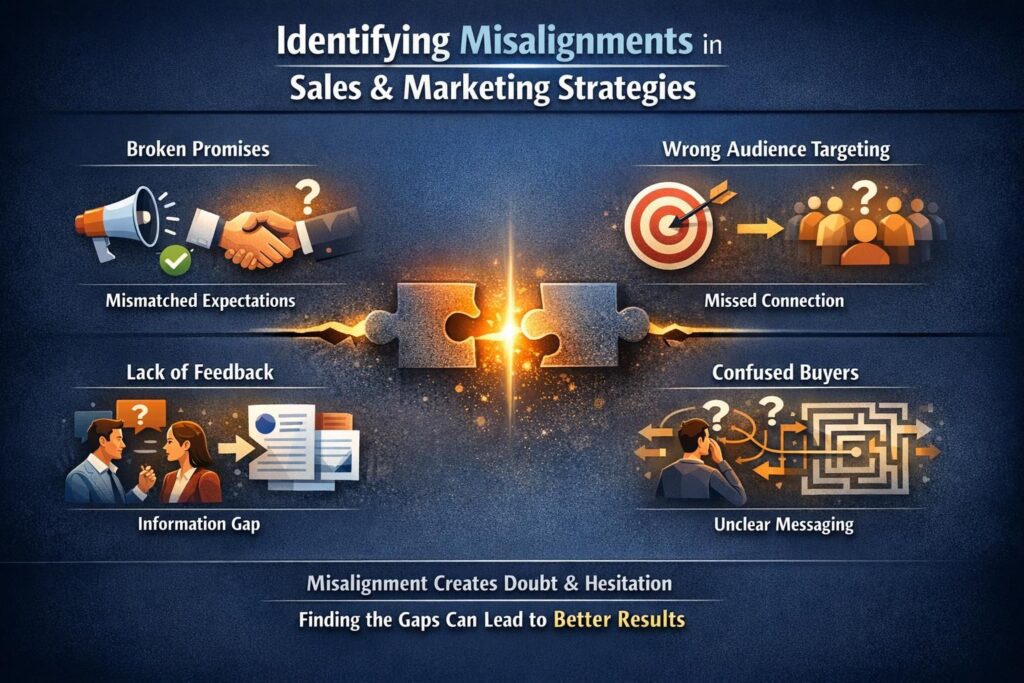
Identifying Misalignments in Sales and Marketing Strategies
Sales and marketing strategies need to work together smoothly. When they don’t, it can confuse potential buyers. For example, if marketing promises certain features but sales does not deliver, trust is lost. Miscommunication can lead to hesitation, making buyers think twice before moving forward.
Another issue arises when the messaging does not match the target audience. A business may spend time and money promoting a property to the wrong group. If the right audience does not connect with the marketing message, interest drops. This creates a gap between what buyers expect and what they receive.
It is also common for sales teams to not share important feedback with marketers. If the sales team notices that buyers are asking the same questions or expressing the same doubts, they need to communicate this information. Ignoring these insights can prevent marketers from addressing buyer concerns effectively.
These misalignments may seem minor but can have a huge impact on business growth. They create an unclear picture, and buyers often feel lost in the process. Addressing these gaps and ensuring both teams are aligned can promote a smoother journey for potential buyers. This should lead to better engagement and ultimately, more sales.
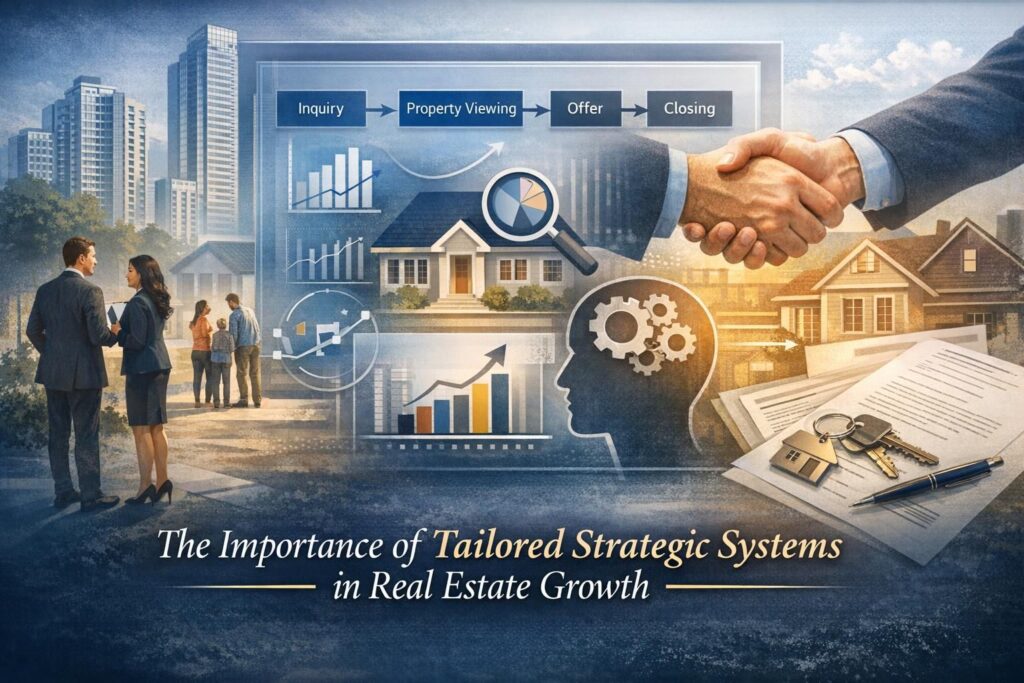
The Importance of Tailored Strategic Systems in Real Estate Growth
Every business makes daily decisions that affect its growth. In real estate, having a structured approach can make a big difference. Tailored strategic systems help address specific buyer needs and reduce confusion during the buying process. When systems are clear, buyers feel more confident and are more likely to move forward.
A successful real estate strategy considers factors like market trends, buyer psychology, and effective communication. This means designing processes that guide potential buyers smoothly from their first inquiry to closing the deal. For example, if buyers often hesitate at a certain step, that step needs to be examined and improved.
When businesses use effective strategies, they create a positive experience for buyers. If strategies are misaligned or unclear, buyers may feel overwhelmed or lost. Often, this confusion leads to missed opportunities. A tailored system not only addresses these challenges but also builds trust with buyers.
Consistency in approach is key. When businesses establish clear systems, they can spot patterns in buyer behavior. This knowledge allows them to adjust their strategies based on feedback and changing market conditions. Ultimately, tailored strategic systems can help real estate businesses grow by making the buying process smoother and more reliable for everyone involved.

The Path to Clarity: How Consultants Aid in Scaling Real Estate Business
Consultants help real estate businesses find clearer paths to growth. They look closely at everyday decisions and habits that might hold a business back. Many business owners get stuck in patterns that don’t serve them. A consultant can reveal these blind spots.
For instance, they might notice if a business spends too much time on unproductive tasks, like chasing leads that go nowhere. This can lead to wasted time and missed opportunities. By analyzing daily routines, a consultant can suggest smarter ways to work, so efforts focus on what truly drives sales.
Consultants also offer frameworks to keep the team aligned. They highlight how communication gaps can confuse both the team and potential buyers. When everyone understands their roles, it leads to better teamwork and improved sales strategies.
Additionally, consultants guide businesses in adapting to changing market conditions. The real estate market can shift quickly, and having a clear strategy to navigate these changes is essential. This way, a business can remain competitive and responsive.
In summary, working with a consultant can clarify decision-making processes. By evaluating habits and strategies, they help real estate businesses unlock their potential and facilitate growth.

Conclusion
In summary, the journey of business growth can often feel overwhelming. When growth slows, it frequently indicates a lack of clear direction. Business owners can find themselves caught in a cycle of confusion, struggling to make progress. This article highlights that understanding buyer psychology is crucial in real estate. By recognizing and addressing the psychological barriers potential buyers face, businesses can create a more supportive environment.
Clear goals and simple systems are vital. They streamline decisions and reduce uncertainty, making it easier for everyone involved to navigate the process. Tailored strategic systems can create a smoother experience for buyers, boosting their confidence. When sales and marketing align effectively, businesses resonate better with their target audiences, leading to improved trust and engagement.
Consultants can assist in shining a light on the blind spots that hinder growth. They help businesses streamline their strategies and respond to changing market conditions. By taking these steps, owners can foster a clearer path forward, making business growth more manageable and achievable. With the right mindset and approach, overcoming barriers becomes possible. Business owners can then focus on building relationships that drive success, ensuring that growth continues in a positive direction.