





Introduction
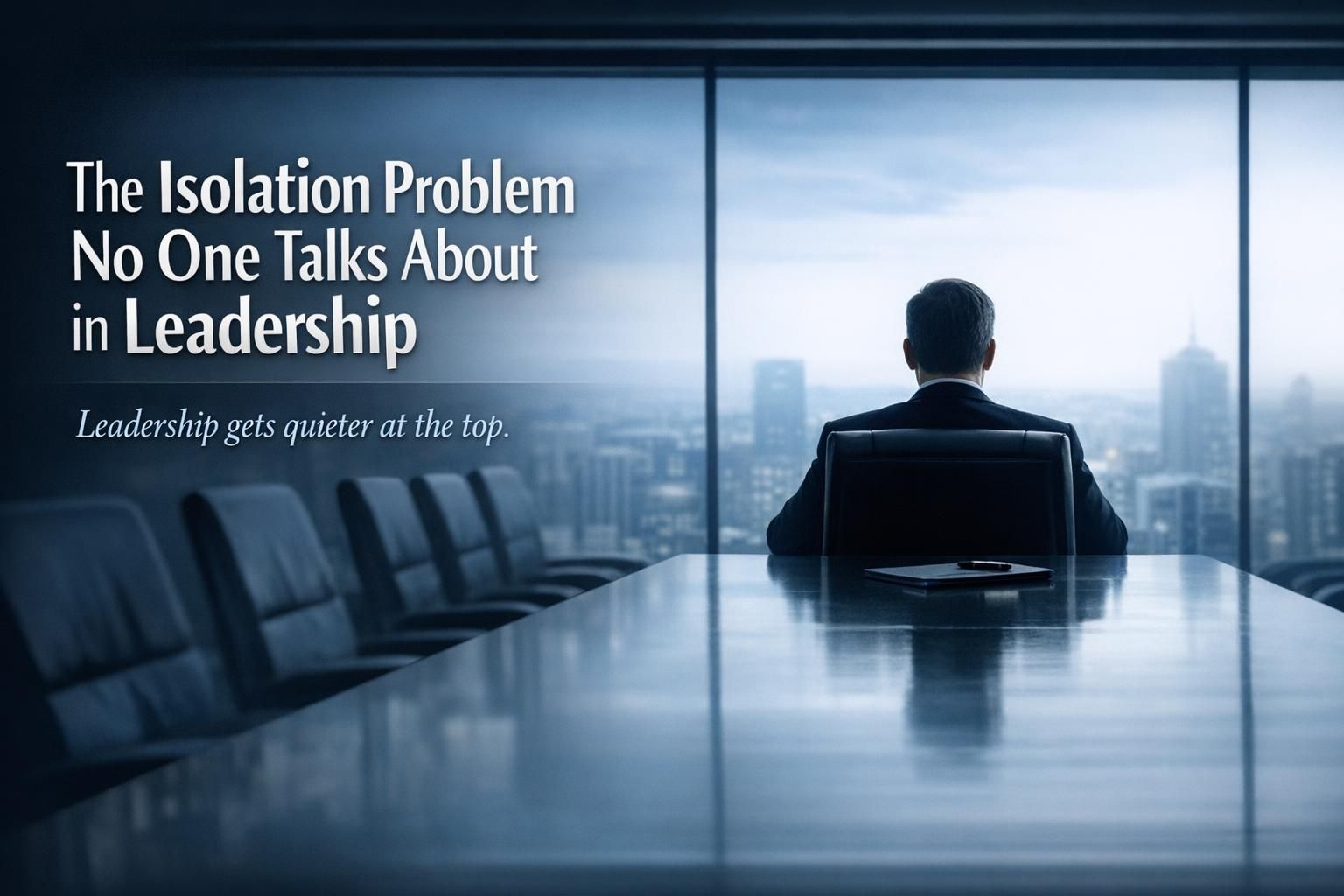
Many business owners face the founder isolation problem, where growth feels elusive or even stagnant. Despite being busy and working hard, they may sense that their efforts are not leading anywhere. This common issue can leave leaders feeling disconnected from their teams and customers, making it harder to spot problems before they escalate.
As businesses grow, they often think they need more tactics to push through barriers. However, this mindset can backfire. Without a clear direction and streamlined systems, owners may find themselves overwhelmed and unsure of the next steps. When there is a lack of clarity, growth slows down, and leaders might not realize why their strategies are falling short.
To break through this ceiling, it is essential for founders to understand the importance of collaboration, feedback, and open communication. Establishing simple systems that foster regular input can unveil opportunities for improvement and innovation. By addressing the founder isolation problem, business owners can pave the way for a thriving environment where steady growth becomes achievable. The following sections will explore practical solutions to overcome these challenges and create a more connected and resilient business.
Understanding the Founder Isolation Problem in Growing Businesses
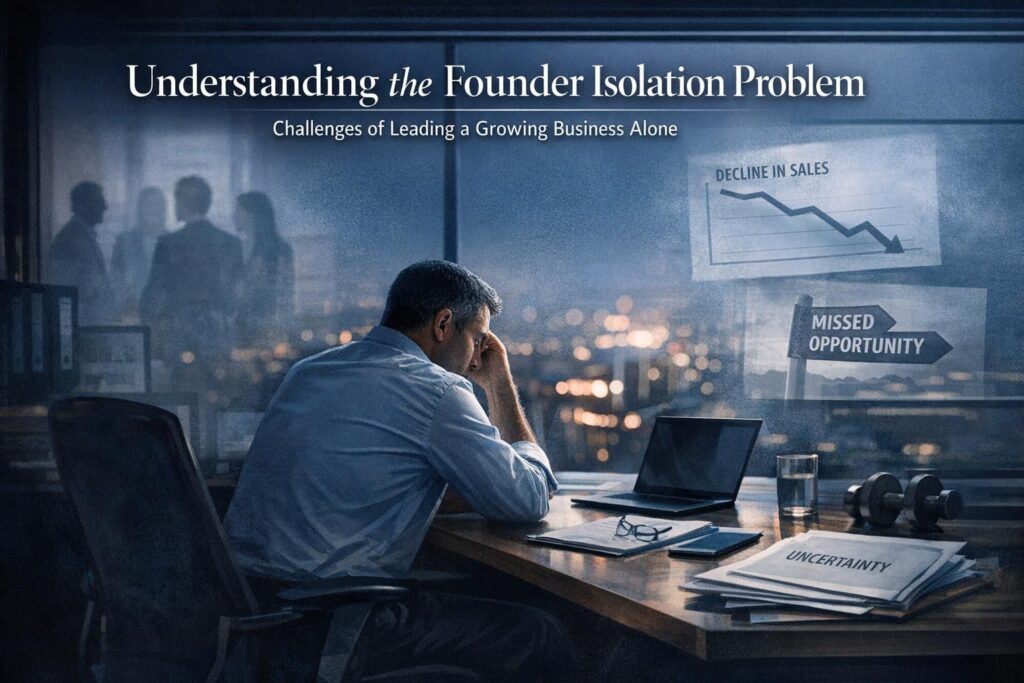
Leadership can feel lonely when running a growing business. Founders often make tough decisions alone, leading to a sense of isolation. This solitude can stall growth and create hidden weaknesses in the business. Without regular input from others, it’s easy to miss important trends or insights.
When leaders don’t connect with their teams or seek outside perspectives, they might lose touch with what their customers and employees really need. This disconnect can cause uncertainty and confusion about the company's direction. Also, the weight of responsibility can make it hard for leaders to share their struggles, leaving them feeling unsupported.
Feeling isolated can also lead to stress and worry. When founders face challenges in silence, it becomes harder to spot problems early. This can result in missed opportunities for improvement or innovation. As growth stalls, it can be difficult for leaders to understand why things are not working as planned.
Overall, the founder isolation problem acts as a barrier to effective decision-making. Without diverse opinions or feedback, leaders risk making choices that could limit their business's potential. Understanding this issue is key for anyone looking to foster a thriving, resilient business environment.
Why the Founder Isolation Problem Leads to Strategic Blind Spots
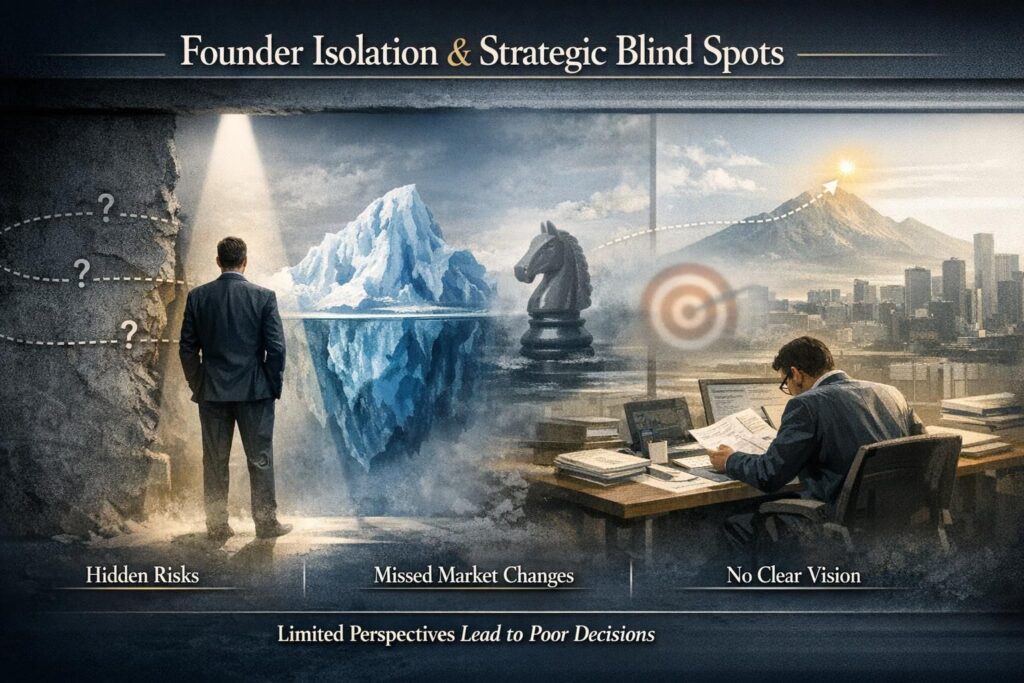
The founder isolation problem can create serious blind spots for business leaders. When owners work alone or with a limited team, they can miss out on new ideas and insights. This lack of diverse perspectives can make decision-making tricky and less effective. Ideas that might improve growth can go unexplored.
Without outside input, businesses become vulnerable to hidden risks. Leaders might think they know their market well, but they can overlook shifts in customer needs or competitors’ actions. This can lead to choices that fail to align with reality, slowing down growth even further.
Additionally, when a founder focuses too much on daily tasks, they lose sight of the bigger picture. Important strategic planning often takes a backseat. This creates a disconnect between what the business aims to achieve and what actually gets done.
By not seeking feedback from employees or mentors, founders risk making decisions based on limited information. They might stick to routines that no longer work because they don’t see the full landscape. Keeping an open door for ideas and discussions helps connect the dots. This encourages better planning and fosters a culture where everyone contributes. Over time, this leads to clearer strategies that support growth.
The Silent Disconnection Between Sales, Marketing, and Leadership
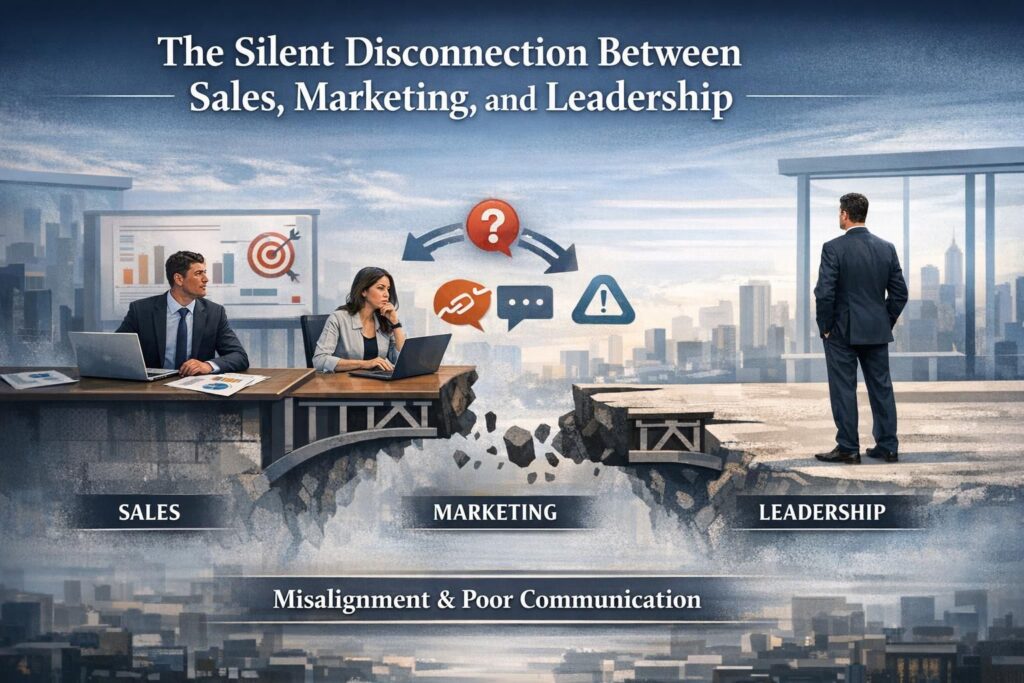
When business leaders feel isolated, it often impacts their team’s ability to work together effectively. Sales, marketing, and leadership should all move in the same direction, but disconnection can create hurdles. Without regular communication, these teams might develop different priorities and goals.
For instance, if leadership makes decisions without input from sales or marketing, vital information can be missed. Sales may know what customers want, while marketing could have insights on trends. When these voices are not heard, it can lead to mixed messages in marketing campaigns. This confusion may slow down growth and reduce overall impact.
Moreover, when leadership operates in isolation, it diminishes the sense of teamwork. Team members may feel less motivated to share ideas or feedback. If they perceive that their contributions don’t matter, they may disengage, leading to further gaps in communication. As a result, businesses miss the chance to leverage their team’s collective knowledge.
Inconsistent messaging and a lack of shared direction can hinder customer trust and loyalty, ultimately impacting sales. By acknowledging these disconnects, leaders can start taking steps to realign their teams. Creating regular touchpoints and fostering an open environment can help bridge these gaps. When everyone is on the same page, the chances of success increase.

Unseen Impact of Founder Isolation on Team Dynamics and Culture
Founder isolation can quietly hurt the team and the overall work culture. When leaders limit communication, team members may feel uncertain about their roles. This lack of clarity can lead to confusion and frustration. Team members thrive when they understand their goals and how they fit into the bigger picture.
Without regular updates and open dialogue, accountability may slip. Team members might hesitate to take initiative or share ideas. This disengagement affects motivation. Morale can drop when employees feel disconnected from leadership. They want to be included and valued, but isolation sends the opposite message.
The overall culture of a company can also suffer. A strong team culture is built on trust and communication. When leaders are out of touch, it creates a gap. Employees may feel unsupported, which can lead to high turnover. Inconsistent messaging from leadership can confuse team members and disrupt collaboration.
A healthy team culture encourages feedback and innovation. Leaders who share information openly help build trust. Engagement grows when everyone feels heard. A thriving work environment boosts performance and growth.
In summary, founder isolation might be hidden, but its effects on team dynamics and culture are significant. Leaders need to reflect on how their actions impact the whole organization and strive for more open communication.
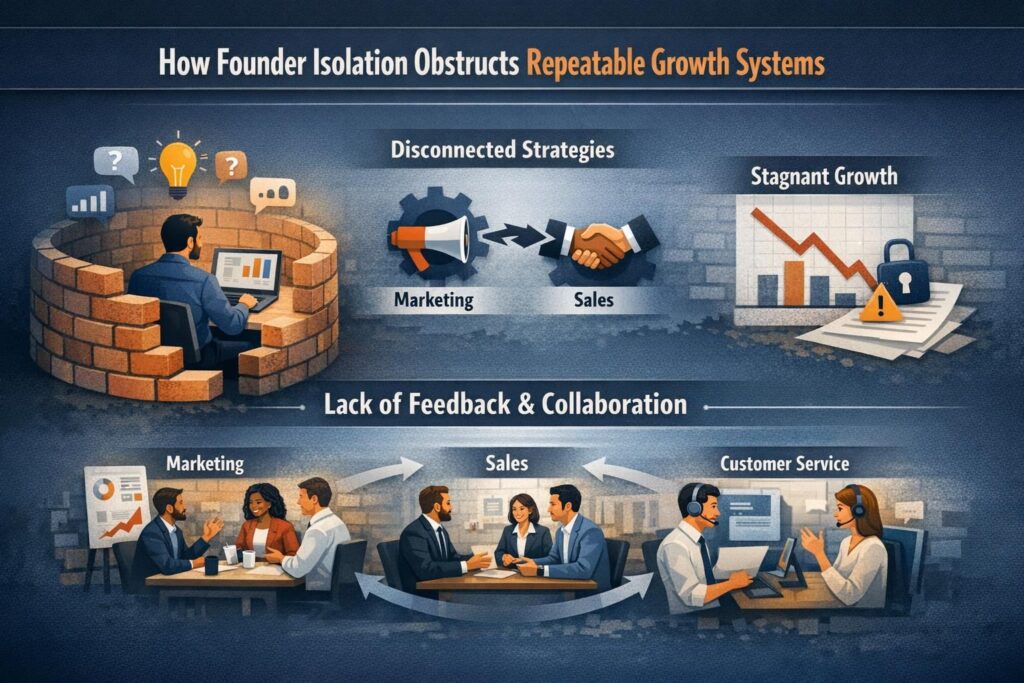
How Founder Isolation Obstructs Repeatable Growth Systems
Founder isolation often leads to inconsistent growth systems. When leaders work alone, they miss out on vital external feedback. This feedback is crucial for crafting repeatable processes that drive growth. Without it, the business can become stagnant.
Leaders may think they are making sound decisions. However, when they lack outside input, they might overlook crucial weaknesses in their strategies. This can prevent the creation of effective systems that support scaling. For instance, if a leader develops a marketing approach without checking with the sales team, the two areas may not align.
A strong growth system relies on collaboration. When leaders isolate themselves, they lose opportunities to refine strategies and share insights. This can lead to missed chances for improvement in critical areas like marketing, sales, and customer service.
Moreover, continuous feedback helps in adjusting business processes. When a leader is cut off from their team or industry experts, they lose the chance to innovate. Stale ideas can lead to further isolation, trapping a business in a cycle that slows down growth.
It's clear that founder isolation has a significant impact. By encouraging open communication and seeking diverse perspectives, leaders can create robust, repeatable systems that foster steady growth.
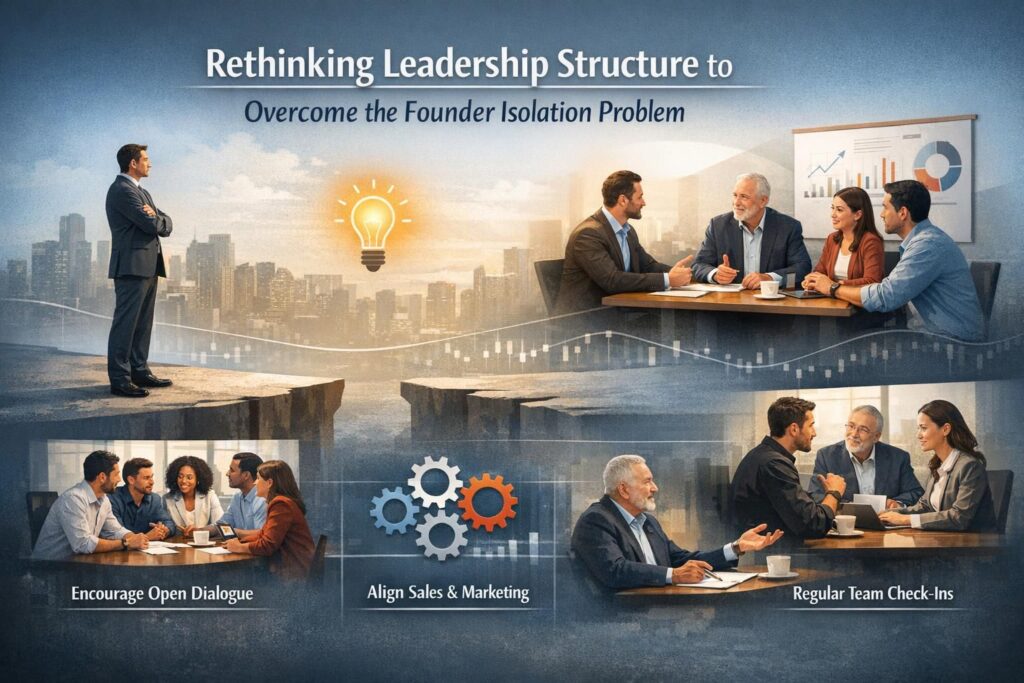
Rethinking Leadership Structure to Overcome the Founder Isolation Problem
Many business owners may not realize how their leadership choices can create distance between themselves and their teams. This distance can lead to poor communication and unclear goals. Changing the way leaders think about their roles can help bridge this gap.
One way to combat isolation is to seek outside perspectives. When leaders invite feedback from teams, they create a culture of open dialogue. This encourages everyone to share ideas and concerns. It also helps to align sales, marketing, and leadership efforts.
Creating a collaborative environment can lead to better decision-making. When leaders understand their team’s input, they can make more informed choices. This alignment can help set clearer goals and improve overall business performance.
Another useful approach is to involve mentors or advisors in discussions. These external voices can offer fresh ideas and challenge existing views. This practice can help identify blind spots that may be holding the business back.
Finally, establishing regular check-ins with team members ensures that everyone is working towards the same vision. Consistent communication builds trust and accountability. By rethinking how leadership is structured, business owners can take important steps to overcome isolation and move toward sustainable growth.
Conclusion
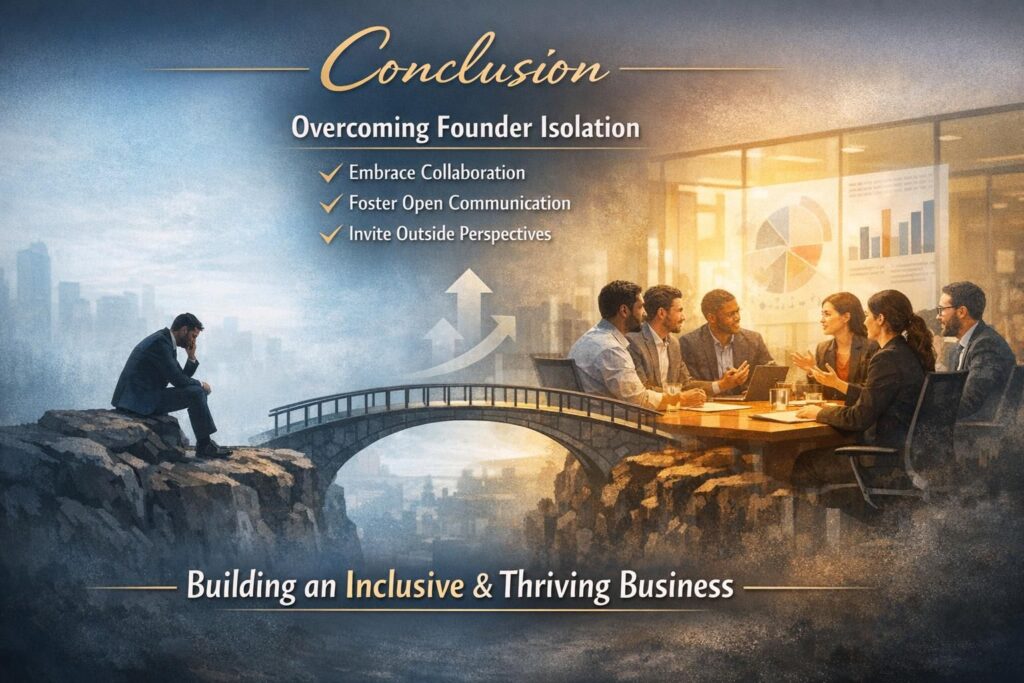
The founder isolation problem poses real challenges for business owners. As growth stagnates and direction becomes unclear, leaders can inadvertently limit their potential. Throughout the article, it has been clear that effective growth relies on collaboration and communication. When founders isolate themselves, they risk missing valuable insights from their teams and customers. This disconnect leads to confusion and weakens decision-making.
Implementing simple systems can help simplify complex processes and foster transparency. Regular check-ins and open discussions encourage team members to share ideas, which is vital for growth. When everyone feels included, the business can adapt more readily to changes in the market.
Moreover, rethinking how leadership is approached can bridge the gap between founders and their teams. Inviting feedback and seeking outside perspectives helps leaders remain grounded in reality. It also empowers teams to align their efforts for a unified direction.
By addressing the founder isolation problem and nurturing an inclusive work culture, business owners can create an environment that supports steady growth. In essence, clear thinking and strong connections within the team make managing growth not only easier but also more enjoyable. This understanding lays the foundation for a thriving business ready to tackle new challenges ahead.