





Introduction
Many business owners face a frustrating situation where their growth has stalled. They feel busy but aren't moving forward. This is often a sign that something isn't working. The usual approach of throwing more tactics at the problem can lead to confusion, especially for established businesses. When growth becomes unpredictable, it’s crucial to step back and assess the situation.
A clear direction and simple systems are essential for consistent growth. Without these, businesses risk running in circles, trying countless new strategies that yield little results. Understanding why this happens is the first step. As businesses mature, they require more than just good products or services; they need strategies that resonate with their audience on an emotional level.
By focusing on genuine connection, owners can realign their marketing efforts. This article will explore how to identify emotional triggers that drive customer behavior. It will also discuss the significance of storytelling in marketing and how to build effective systems for lasting success. Addressing these fundamental aspects can open the door to renewed growth and a clearer path forward for business owners looking to break through that growth ceiling.
Understanding Viral Marketing Psychology
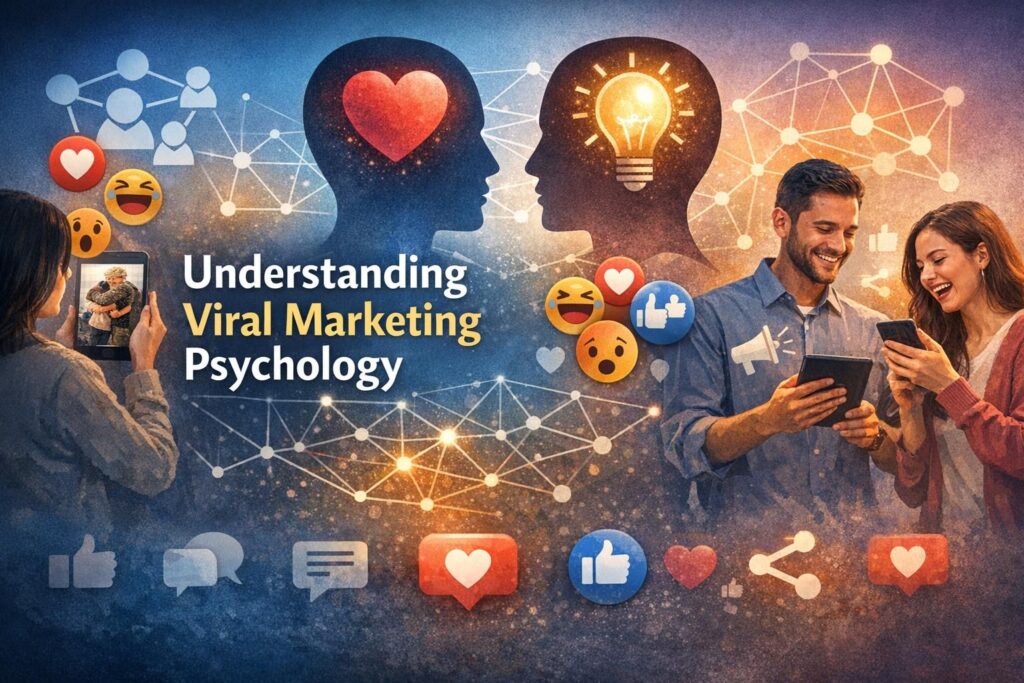
Viral marketing relies on understanding how people think and feel. When content goes viral, it often connects with viewers on an emotional level. This emotional connection is key to making content shareable. People are more likely to share things that evoke strong feelings, like happiness, surprise, or even anger.
The psychology behind sharing is rooted in human behavior. People love to connect with others and share experiences that resonate with them. If content can tap into those feelings, it is more likely to spread. Think about the last video or post someone shared with you. Chances are, it made them feel something powerful, which encouraged them to share it with others.
Emotional engagement is not just about creating shocking or funny content. It is about understanding what matters to the audience. Knowing what drives people's emotions helps in crafting messages that feel personal. This is why businesses must focus on the emotional triggers that move their audience. When marketing efforts align with these principles, it can lead to content that not only reaches a wider audience but also creates deeper connections. Understanding this psychology is the first step in harnessing the power of viral marketing effectively.

The Emotional Triggers that Drive Sharing Behavior
People share content for many reasons, but emotions play a big role in this behavior. Understanding these emotional triggers can help businesses create content that encourages sharing.
Joy is one of the most powerful emotions. When people feel happy, they want to share that joy with others. Funny videos or uplifting stories often go viral because they make people smile. Surprise is another key emotion. Content that surprises the audience catches their attention and makes them eager to share it with others.
Anger or outrage can also drive sharing. Strong emotions about news, social issues, or injustices motivate people to express their feelings and stir conversations. When businesses tap into these emotions, they can create more shareable content that resonates.
Additionally, fear of missing out (FOMO) can push people to share information quickly. If they think their friends need to see something important, they will share it right away. Recognizing these triggers is essential for crafting effective messages.
By focusing on emotions like joy, surprise, and even anger, businesses can improve their content's chance of going viral. This emotional connection not only makes the content more engaging but also encourages people to share it with others. Understanding these drivers can help businesses align their marketing strategies to create more impactful content.
Crafting Content that Resonates on an Emotional Level
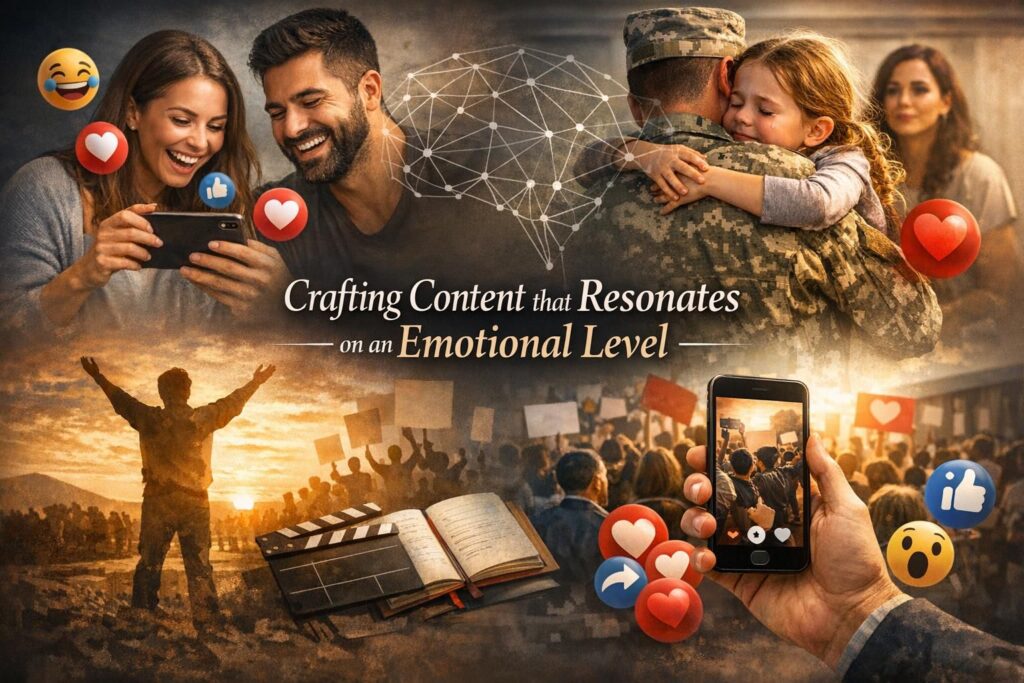
Creating content that connects with people emotionally can boost its chances of being shared. Business owners should think about how their content makes people feel. When content triggers joy, surprise, or even anger, it can compel someone to hit the share button.
To start, it’s important to know what emotions the target audience values. A funny video might spread joy, while a heartfelt story could evoke empathy. Focusing on those emotions helps create content that resonates deeply. Each piece of content should aim to stir feelings that people naturally want to share.
Another key aspect is storytelling. Good stories help people relate to the content on a personal level. When people see themselves in a story, they are more likely to share it with others. This connection can create a ripple effect, spreading the content to a wider audience.
Lastly, visuals can enhance emotional appeal. Images or videos that capture strong emotions make the content more engaging. The stronger the emotional impact, the more likely it is to be shared.
By crafting content that speaks to emotions, business owners can create stronger connections with their audience, increasing the chances of their content going viral. Emphasizing these emotional triggers is a smart strategy for anyone looking to enhance content effectiveness.
The Role of Identity and Social Validation in Viral Marketing
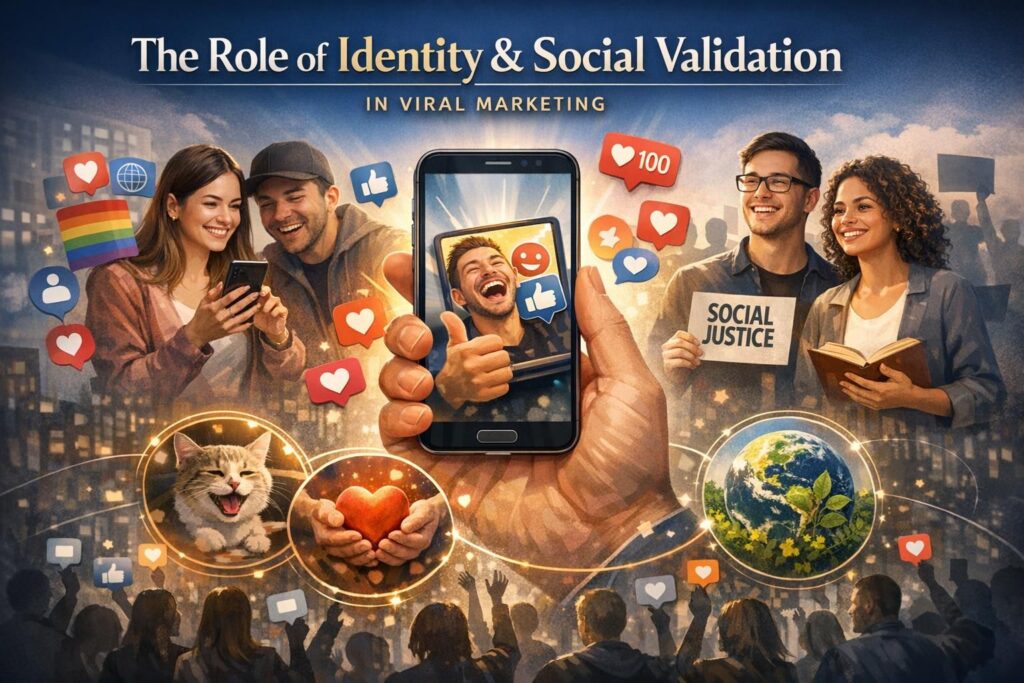
People often share content not just to pass along information, but to express who they are. Sharing content helps them show their interests, beliefs, and values to others. This desire to connect is a powerful driver of viral marketing.
When someone shares a post, they might feel a sense of pride or belonging. They want their friends and family to see what they like or support. This behavior shows a need for social validation. Content that taps into this need has a higher chance of being shared.
Consider how sharing a funny meme or a touching news story reflects a person's personality. It can signal their sense of humor or values to their network. Businesses that understand these connections can create content that resonates more deeply with their audience.
Focusing on identity means recognizing what matters to potential customers. It could be social justice, humor, education, or lifestyle. When marketing speaks to these aspects, it encourages sharing.
In essence, when content feels personal and relevant, people are more likely to pass it along. This natural urge to share allows businesses to expand their reach and influence more effectively. Understanding this dynamic is key to harnessing the power of viral marketing.
Misalignment Between Marketing and Emotional Engagement
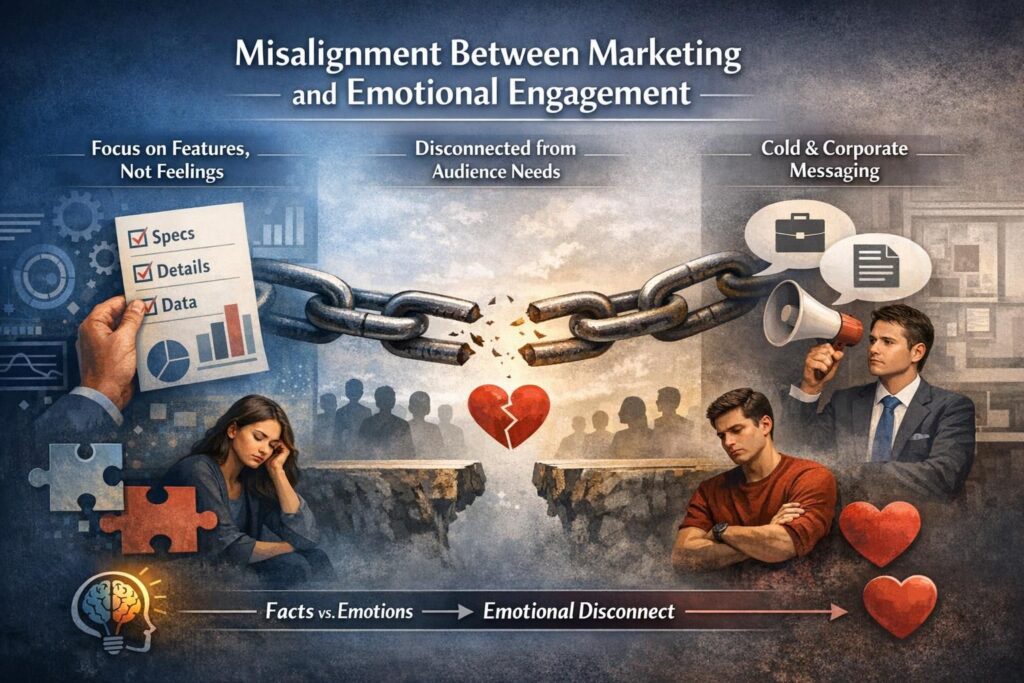
Many businesses struggle with marketing that doesn't connect emotionally with their audience. This misalignment can happen in many ways. For example, a company might focus too much on product features rather than how those features impact customers' lives. When marketing speaks to facts instead of feelings, it often misses the mark.
Another common issue is not understanding the audience's needs. If a business doesn't know what emotions drive their customers, their messaging can fall flat. It's important to remember that people make decisions based on emotions, and then they justify those decisions with logic. This pattern shows that marketing must tap into emotions that resonate with the audience.
There can also be a gap between the brand's voice and the audience's expectations. If the tone is too formal or corporate, it may not encourage emotional engagement. Brands need to be authentic and relatable. When companies fail to align their marketing with what people truly feel, they risk losing potential customers.
All these factors highlight how everyday decisions shape a business's marketing success. Attention to emotional engagement is vital in crafting messages that truly connect. Recognizing these misalignments can help a business pivot toward a strategy that resonates better with their customers.
Building Strategic Systems for Consistent Viral Success
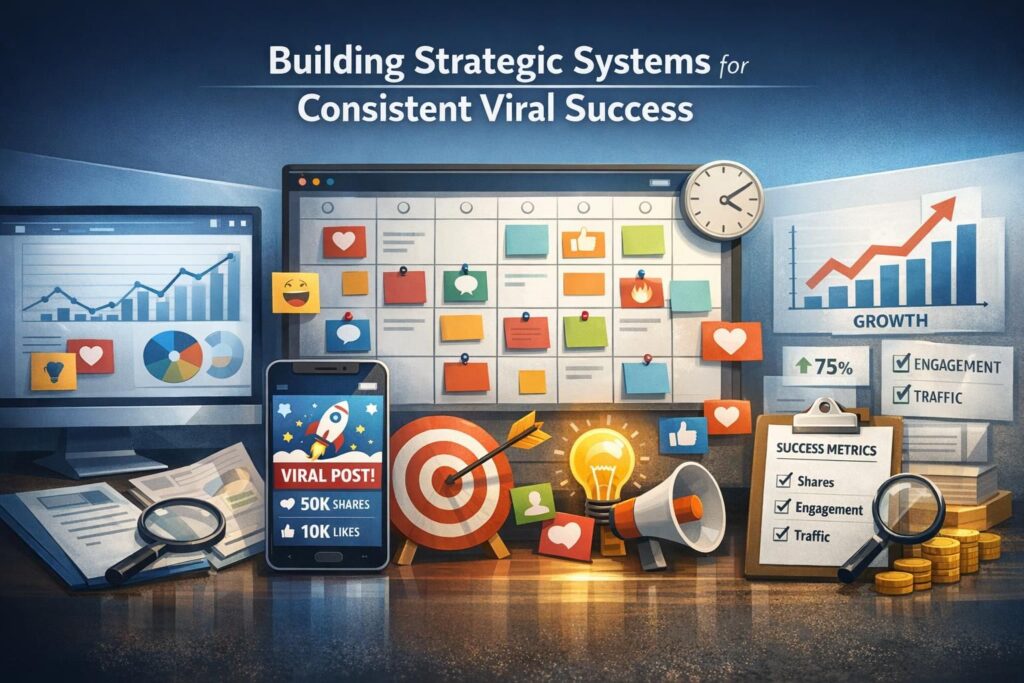
A business can only grow if it has clear systems in place. Creating viral content isn’t just about one great post; it’s about building a repeatable process. This means understanding the audience, tracking what resonates, and adjusting strategies based on feedback.
Start by setting up regular content reviews. This helps identify which posts get lots of shares and why. Look for patterns in emotional triggers. For instance, does humor work better than inspiration? Use these insights to shape future content.
Next, establish a clear content calendar. This keeps marketing efforts focused and timely. Consistency is key to staying on people’s minds. A planned approach also allows for quick responses to trends or events, keeping content relevant.
Lastly, measure success over time. Define what “success” means—more shares, higher engagement, or more traffic? Use metrics to understand which efforts drive growth. Create a feedback loop that helps refine strategies.
When these systems are in place, businesses can better align with their audience's emotions. This leads to more reliable viral marketing outcomes. Strategic planning combined with an understanding of emotional engagement creates a strong foundation for ongoing success.
Conclusion
In conclusion, business growth can feel challenging, especially when the direction is unclear. A common reason for slowed growth is a lack of alignment between marketing efforts and audience emotions. By understanding viral marketing psychology, business owners can reconnect with their customers on a deeper level.
The article highlighted the significance of emotional triggers that drive people to share content. Joy, surprise, and even anger can lead to greater engagement. When content resonates emotionally, it becomes more shareable, opening doors for wider reach and influence.
Additionally, developing simple systems for content creation and review helps businesses manage their marketing more effectively. Regularly assessing what content works and why allows for continuous improvement. A clear content strategy keeps businesses on track and helps respond to trends quickly.
By combining emotional engagement with structured processes, business owners can navigate the complexities of growth more smoothly. Recognizing what truly matters in marketing leads to stronger connections and renewed momentum. This understanding paves the way for consistent growth, setting the stage for success in a competitive landscape.