





Introduction
Growth can often feel like an uphill battle for established business owners. Many find themselves busy, yet unable to move forward. They may sense that something is off but struggle to pinpoint the exact cause. In these moments, understanding the opportunity cost framework can be crucial.
This framework helps identify what a business sacrifices when choosing one path over another. As businesses grow beyond their early stages, simply employing more tactics often leads to confusion and stagnation. Without clear direction and straightforward systems, the chances for steady advancement diminish.
When growth stalls, opportunity costs can remain hidden. Business owners must recognize that staying focused on current tasks might prevent them from exploring better options. By evaluating their decisions through the lens of opportunity costs, they can discover areas for improvement and innovation.
In this article, business owners will learn to diagnose the signs of stagnation, the impacts of misalignment in their teams, and the significance of strategic systems. By shedding light on these hidden costs, readers can create a clearer path for their growth journey. Understanding opportunity costs can empower them to make informed decisions that lead to sustainable success.
Understanding the Opportunity Cost Framework in Business Growth
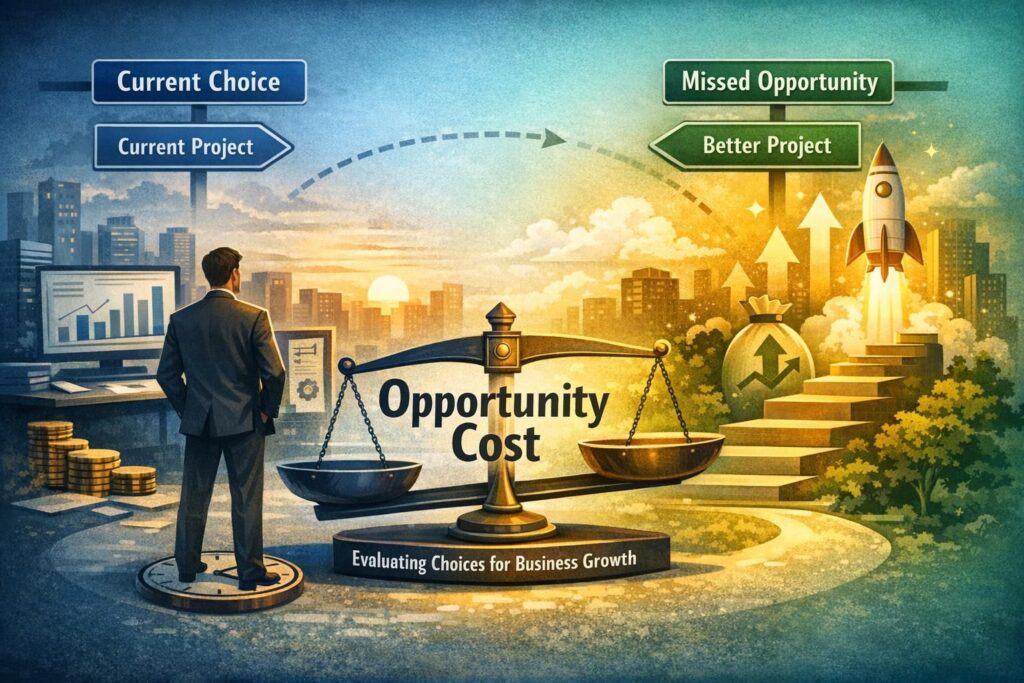
Opportunity cost is a simple but important idea in business. It means thinking about what is lost when a business chooses one option over another. For example, if a company invests time in one project, it is not using that time for a different project that could bring more value. This can lead to slow or troublesome growth.
Many business owners may not realize that they are missing potential gains. They might be stuck because they focus too much on current tasks without looking at alternatives that could offer better returns. Understanding opportunity cost helps clarify these choices. It allows business owners to evaluate their decisions in a new way.
When growth stalls, it’s often due to not recognizing these costs. By rethinking how time and resources are spent, business owners can spot areas where they can improve efficiency or innovate their strategies. This framework encourages looking at the bigger picture instead of being bogged down by daily operations. It can reveal hidden opportunities for growth that may have been overlooked.
Diagnosing Stagnation: The Hidden Costs of Inaction
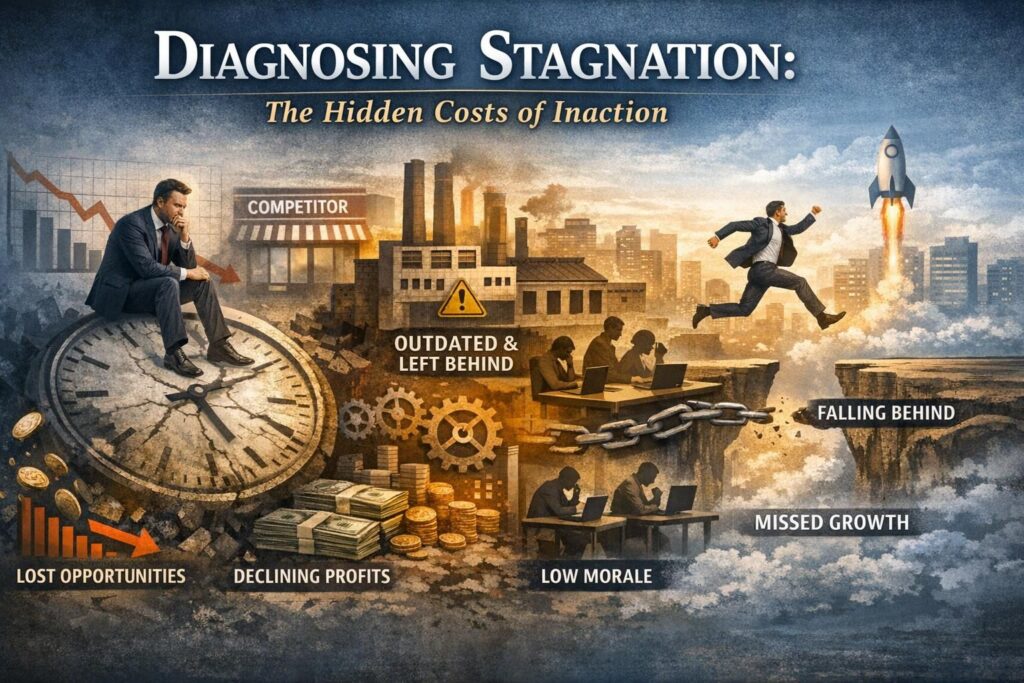
Inaction can be a big problem for business owners. After all, waiting can come with costs that aren’t always clear. When a business owner hesitates to act, they can miss out on valuable opportunities. These missed chances don’t just disappear; they create what is called hidden costs.
For example, when a business chooses not to invest in new marketing strategies or fails to adapt to changes in the market, it risks losing customers to competitors. This can lead to reduced sales and lower profits. Even a delay in making small improvements can add up over time, affecting overall growth.
Inaction can also cause businesses to fall behind in innovation. While competitors move forward, stagnant companies risk becoming outdated. This shift in the market can make it harder for them to catch up later.
Additionally, waiting may lead to a lack of team morale. Employees see their leaders hesitating and may feel uncertain about the future. A slow or unclear approach to decisions can make it hard for teams to stay engaged and motivated.
Understanding these hidden costs is crucial. It helps business owners see how inaction can harm their chances for growth. Identifying these issues can lead to better choices and a clearer path forward, encouraging faster and more sustainable growth.
The Role of Misaligned Sales and Marketing in Opportunity Costs
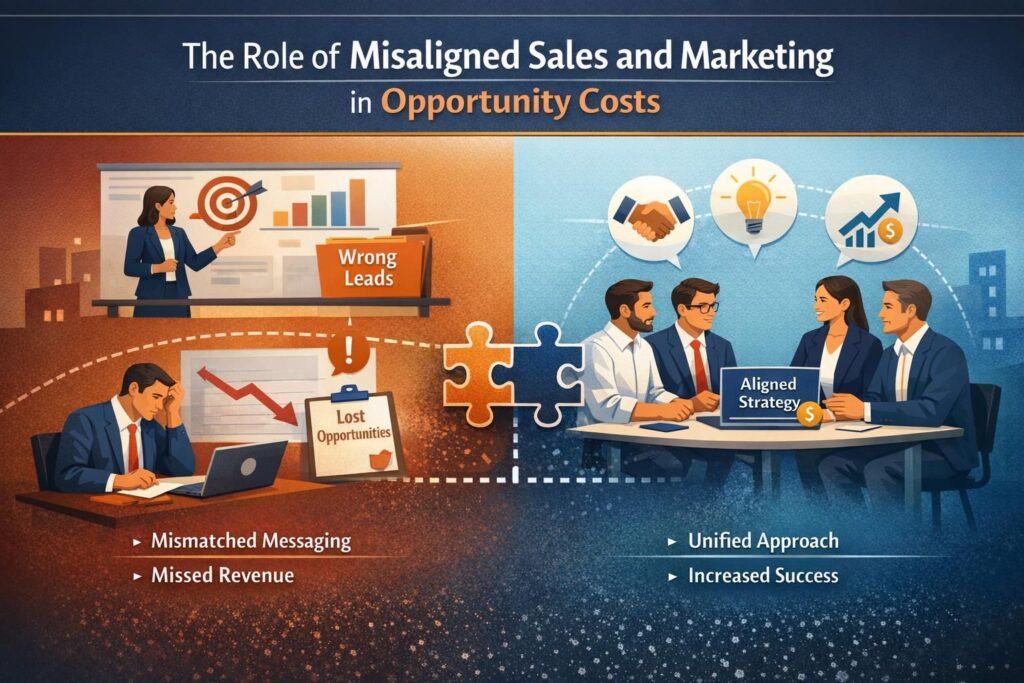
Misalignment between sales and marketing can create serious barriers to business growth. When these two departments do not work together, they can waste time and resources. For example, if marketing does not understand the sales team’s goals, it may generate leads that do not match what sales needs. This can lead to missed opportunities and lost revenue.
Additionally, unclear messaging can confuse potential customers. If marketing promotes one message while sales communicates another, prospects may walk away unsure of what the business offers. This disconnect can make it difficult to build trust and increase sales.
Focusing on the alignment of sales and marketing strategies helps to reduce opportunity costs. When both teams share the same goals, they can support each other more effectively. They can identify high-value opportunities and create a unified approach to engage customers.
Regular communication and collaboration are key. Teams should regularly share insights, track performance, and adjust strategies based on feedback. By doing this, businesses can ensure they are not leaving opportunities on the table. Addressing misalignments is essential for smoother operations and stronger growth.
Creating Strategic Systems to Minimize Opportunity Costs
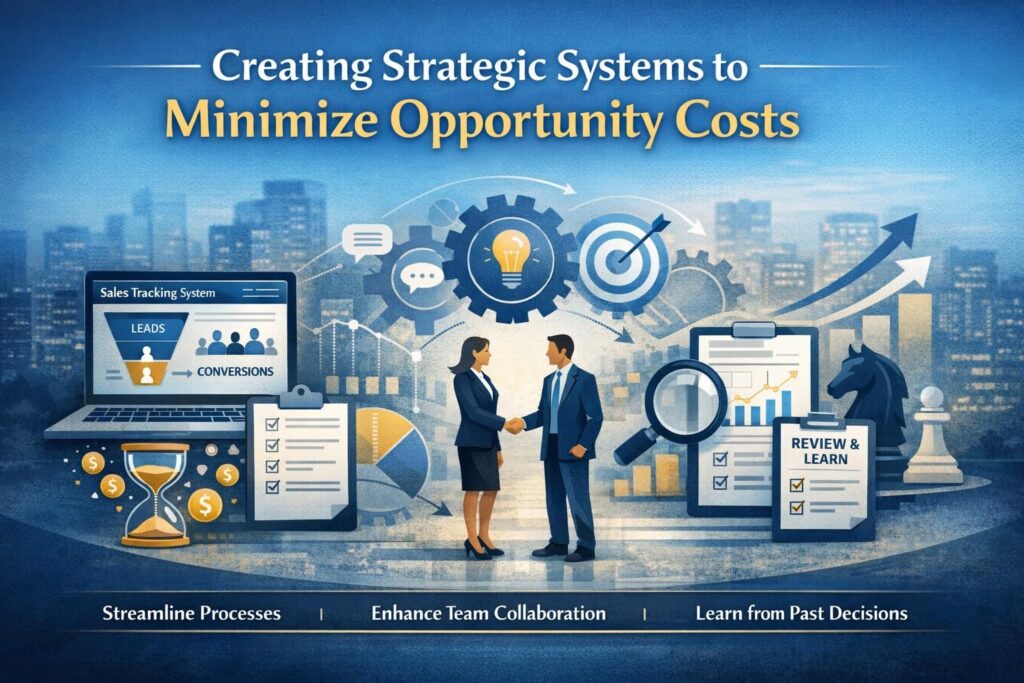
Everyday decisions play a huge role in business growth. When choices are made without a clear plan, it can lead to wasted time and resources. These wasted efforts create opportunity costs that can slow down progress. By setting up clear systems, businesses can make better decisions that align with their goals.
For example, having a reliable tracking system for sales leads can help identify which prospects may convert into customers. If this data is ignored, opportunities might slip away, costing the business growth. Strategic systems help make these processes more efficient and reduce uncertainty.
Another key area is communication between teams. If everyone is on the same page, it leads to faster decisions and action. A strong marketing strategy should complement the sales efforts. When both functions work well together, they create a smoother path to success.
In addition, analyzing past decisions helps businesses learn from mistakes. Regularly reviewing what worked and what didn’t allows for better future choices. In this way, businesses can create agile systems that adapt to change and new challenges.
Ultimately, by focusing on systems that minimize opportunity costs, business owners can become more proactive. This approach fosters better decision-making and positions the business for steady growth in a competitive environment.
Overcoming Scaling Confusion with Opportunity Cost Insight
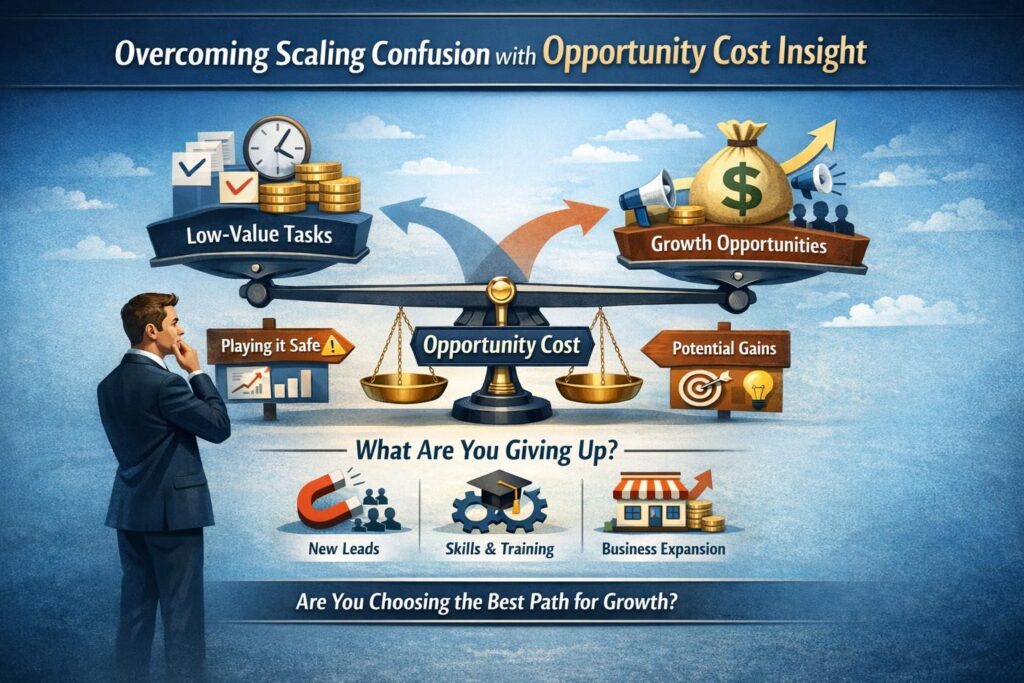
Understanding opportunity costs can help business owners make better decisions about growth. When a business feels stuck, it often results from unclear choices or misaligned priorities. Recognizing what each decision truly costs in potential gains sheds light on the best actions to take.
For example, spending time on low-value tasks can keep owners from pursuing more profitable opportunities. Owners may also hesitate to invest in new marketing channels, fearing risks. However, this hesitation could lead to missed chances to expand their customer base. Focusing on opportunity costs helps highlight the trade-offs involved.
To navigate growth challenges, business owners should regularly ask themselves what they might be giving up with each choice. This can clarify whether to push for new leads, invest in training, or let go of unproductive ventures. Each decision impacts the growth trajectory, either positively or negatively.
By bringing opportunity cost insights into daily habits and long-term strategies, owners can reduce confusion about scaling. Creating clarity around choices empowers better decision-making and aligns actions with business goals. When owners understand what they stand to lose, it becomes easier to prioritize efforts that drive growth and success.
Reframing Leadership: Opportunity Cost as a Strategic Skill
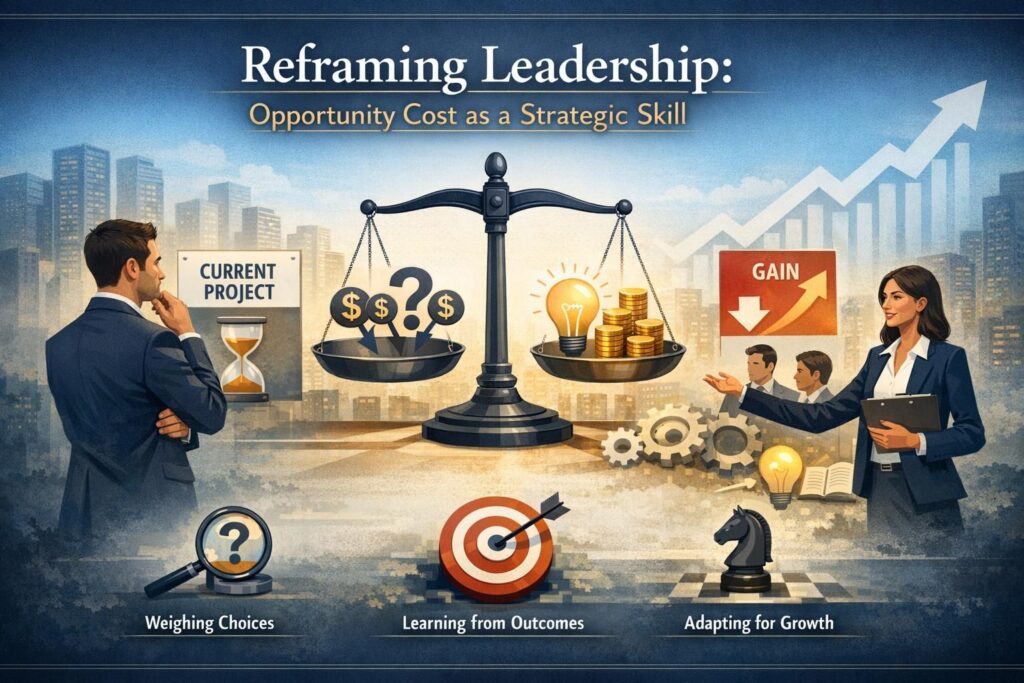
Leaders play a key role in shaping business growth. By understanding opportunity cost, they can make better decisions. Opportunity cost is about considering what is lost when choosing one option over another. This thought process helps leaders see the bigger picture.
For example, if a leader invests time in a project that isn’t bringing results, they may miss a chance to work on something more profitable. Recognizing these costs can change how decisions are made. It encourages leaders to act quickly and assess options carefully.
By using opportunity cost thinking, leaders can also foster a culture of learning. If a decision doesn’t lead to the desired outcome, it becomes a chance to understand why. This approach not only helps in making smarter choices but also boosts team morale. Employees feel empowered when they see their leaders learning from decisions.
Incorporating this strategic skill helps businesses stay flexible. When leaders focus on opportunity cost, they can better align resources and efforts. This focus allows the team to pivot effectively and minimize losses. Ultimately, reframing leadership through the lens of opportunity cost drives forward-thinking and proactive growth in a business.
Conclusion
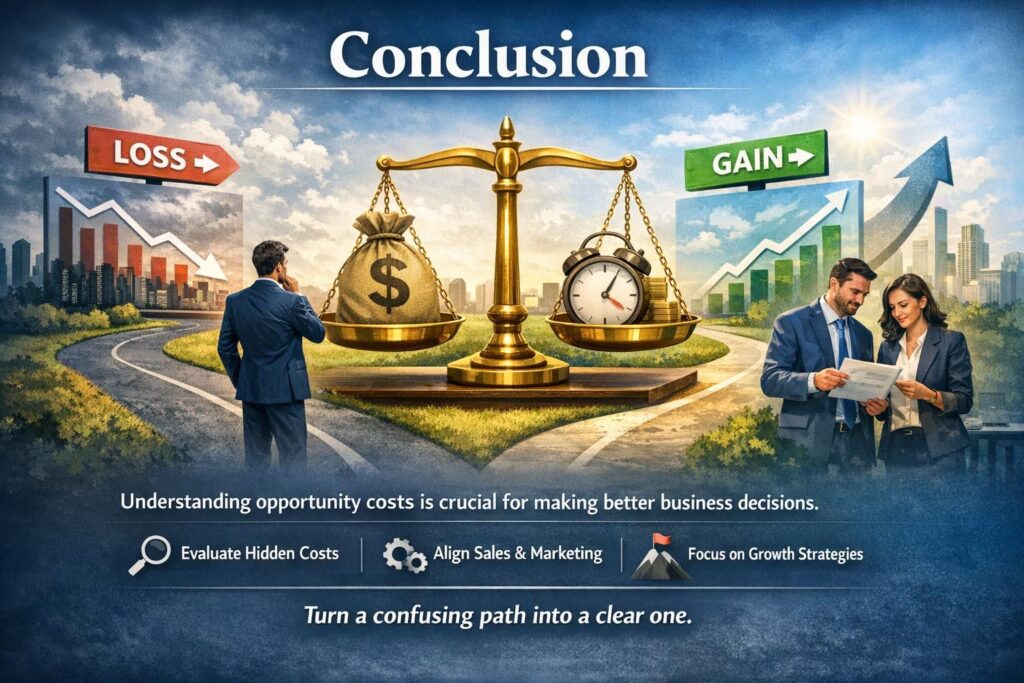
In conclusion, business growth often slows when owners lack clear direction and strategies. Throughout the article, it has been emphasized that understanding the opportunity cost framework is critical. This framework helps business owners see what they might be losing when choosing one path over another.
When growth feels stagnant, it can stem from hidden costs tied to inaction, misalignments in teams, or unclear decision-making. By recognizing these factors, owners can better evaluate the true costs of their choices. Simple systems that promote collaboration between sales and marketing teams can significantly reduce wasted efforts and lead to more efficient operations.
Leaders who adopt the opportunity cost mindset can create a culture of learning and adaptability. This makes it easier for teams to navigate challenges and focus on actions that truly drive growth. Ultimately, by simplifying systems and clarifying goals, business owners can turn a confusing path into a clearer one. Understanding opportunity costs enables better decisions, allowing for sustainable growth and long-term success.